
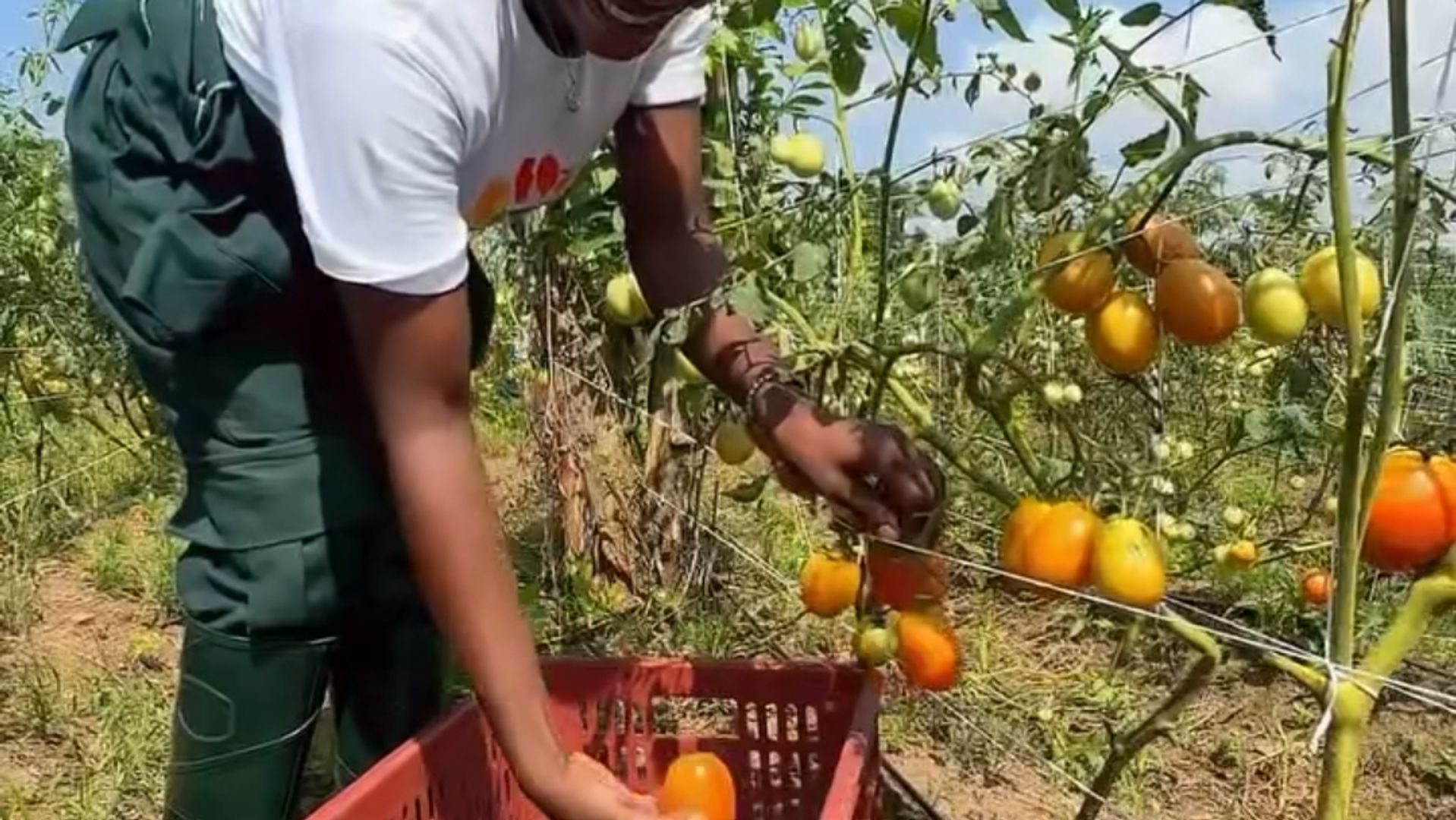
7 Things We've Learned Growing Tomatoes The Wrong Way
If your tomato plants have ever turned into a jungle you can barely walk through, or if you’ve ever watched pests take over just when the fruits were finally setting, trust me, you’re not alone.
Tomatoes have a reputation for being rewarding to grow, and they are, but most farmers unknowingly set them up for struggle.
When we first started growing tomatoes, we made a huge mistake...
We let them grow into a thick, tangled bush.
Every stem went wherever it wanted, the leaves touched the soil, and for a few weeks it all looked promising.
But once the heat kicked in, airflow disappeared, disease showed up, and we spent more time fighting issues than picking tomatoes.
So today, I’m sharing exactly what we've learned growing tomatoes the right way...
Tomatoes Need Structure
One of the biggest discoveries we made is that tomatoes don’t thrive in chaos.
When you let them grow like shrubs, they form a tangled mass that traps moisture, hides pests, and reduces airflow.
Early on, we thought tomatoes were supposed to look wild and bushy, so we let them spread in every direction.
The result was always the same:
- Disease would creep in
- Fruits stayed small
- The plant spent too much energy supporting unnecessary foliage.
What we do now:
We always give each tomato a clear path upward from day one.
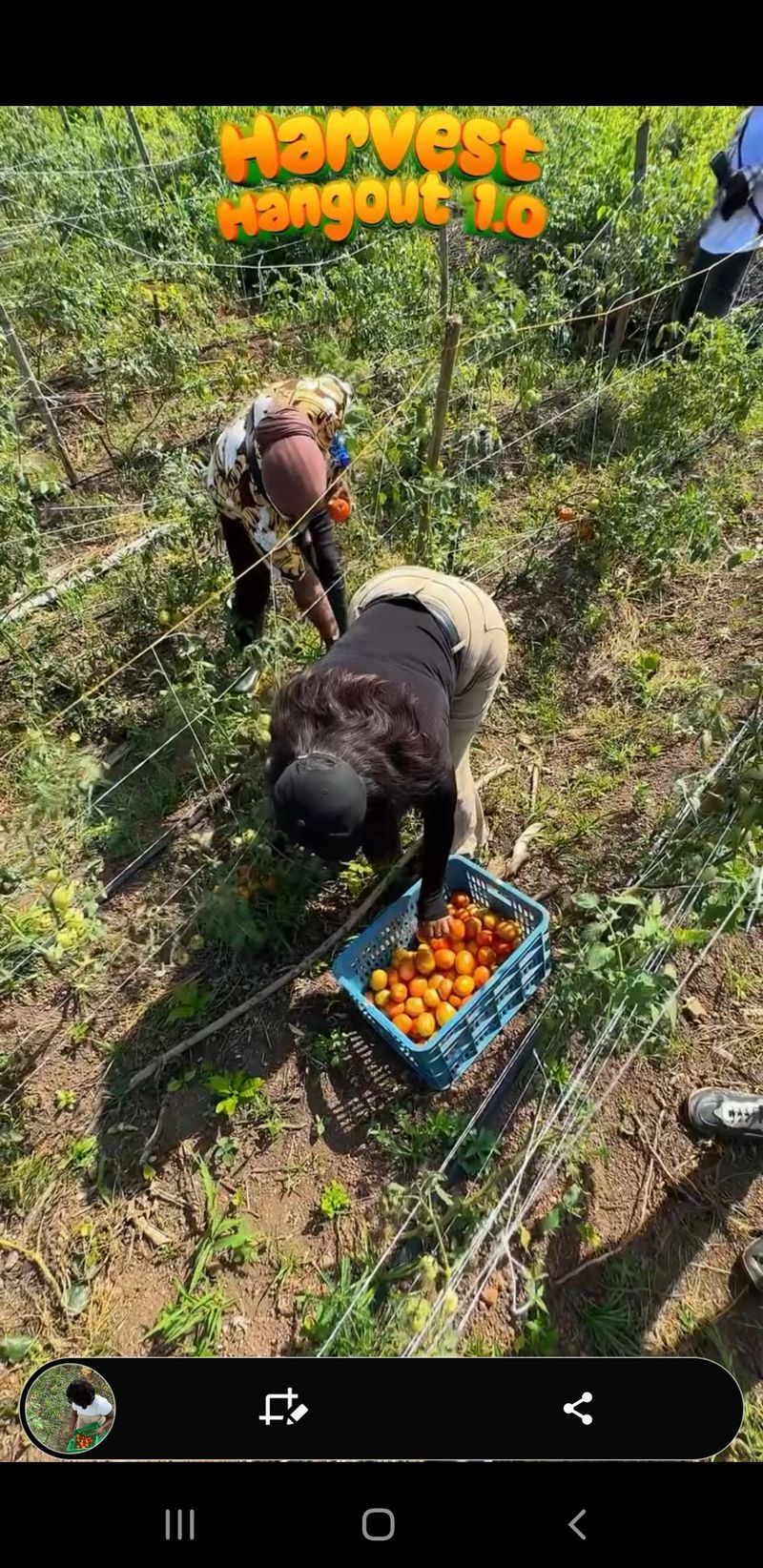
We start training the main stem the moment the plant reaches 12–15 inches tall.
This single change instantly makes the plant stronger, healthier, and easier to manage all season.
Suckers Decide Your Harvest
Years ago, we didn’t even know what suckers were. We assumed every branch was important.
But suckers are the small shoots that grow between the main stem and each leaf.
If you leave them all, each sucker becomes a full branch, which means more leaves, more weight, and more competition for nutrients.
While the plant ends up overwhelmed, not productive.
What we do now:
We remove most suckers early in the season, especially on indeterminate varieties.
This tells the plant to focus its energy on producing fruit instead of growing endless leaves.
The result?
- Bigger tomatoes
- Earlier harvests
- Far fewer disease problems
Airflow Is as Important as Water
Tomatoes suffer more from poor airflow than from lack of water.
Once the plant becomes thick and crowded, humidity builds inside the canopy, making it the perfect environment for blight, mold, and pests.
For years, we didn’t prune enough, so our tomatoes always turned into humid micro-jungles.
What we do now:
We prune intentionally to keep the center open.
We train the plant vertically and remove anything that clutters the interior.
Our goal is simple: sunlight in, airflow through.
Since adopting this, disease pressure has dropped drastically.
Sunlight Needs to Reach the Fruit, Not Just the Leaves
Tomatoes ripen fastest when sunlight reaches the clusters.
Before we learned this, our plants grew so thick that the fruit stayed hidden inside the canopy.
Even in full sun, the fruit would take weeks to ripen because it never actually received direct light.
What we do now:
We prune just enough to expose fruit trusses to sunlight without over-stripping the plant.
This encourages faster ripening, more uniform coloring, and better-tasting tomatoes.
The plant still has leaves for photosynthesis, but none of them suffocate the fruit.
Watering Deeply Works Better Than Watering Often
In the early years, we watered tomatoes lightly and often, thinking consistency meant frequency.
Instead, this trained the roots to stay shallow. Shallow roots suffer in heat, leading to stress that causes blossom-end rot, cracking, and fruit drop.
What we do now:
We water deeply and less frequently.
This forces the roots to travel downward where moisture stays stable.
Deep roots make tomatoes more resilient during heat waves and more consistent in fruit production.
Mulching Is Non-Negotiable
Skipping mulch used to be our biggest mistake. Bare soil dries quickly, splashes disease onto leaves, and causes temperature swings that stress the plant.
What we do now:
Every tomato gets a thick layer of mulch, wood chips, straw, dried grass, or leaves.
Mulch keeps the soil cool, prevents weeds, stops disease splash, and keeps moisture levels steady.
A Managed Tomato Outproduces a Wild One Every Time
In the beginning, we believed tomatoes were “set and forget.”
But unmanaged tomatoes become messy, diseased, and inefficient.
They do produce, but not nearly as much as they could.
What we do now:
We treat tomatoes like the structured plants they truly are.
We prune, train, mulch, feed, and support them intentionally.
The reward is incredible:
More tomatoes, better tomatoes, longer harvests, and healthier plants that thrive instead of merely surviving.