How Our Farm-to-Table System Keeps Your Food Naturally Flavourful
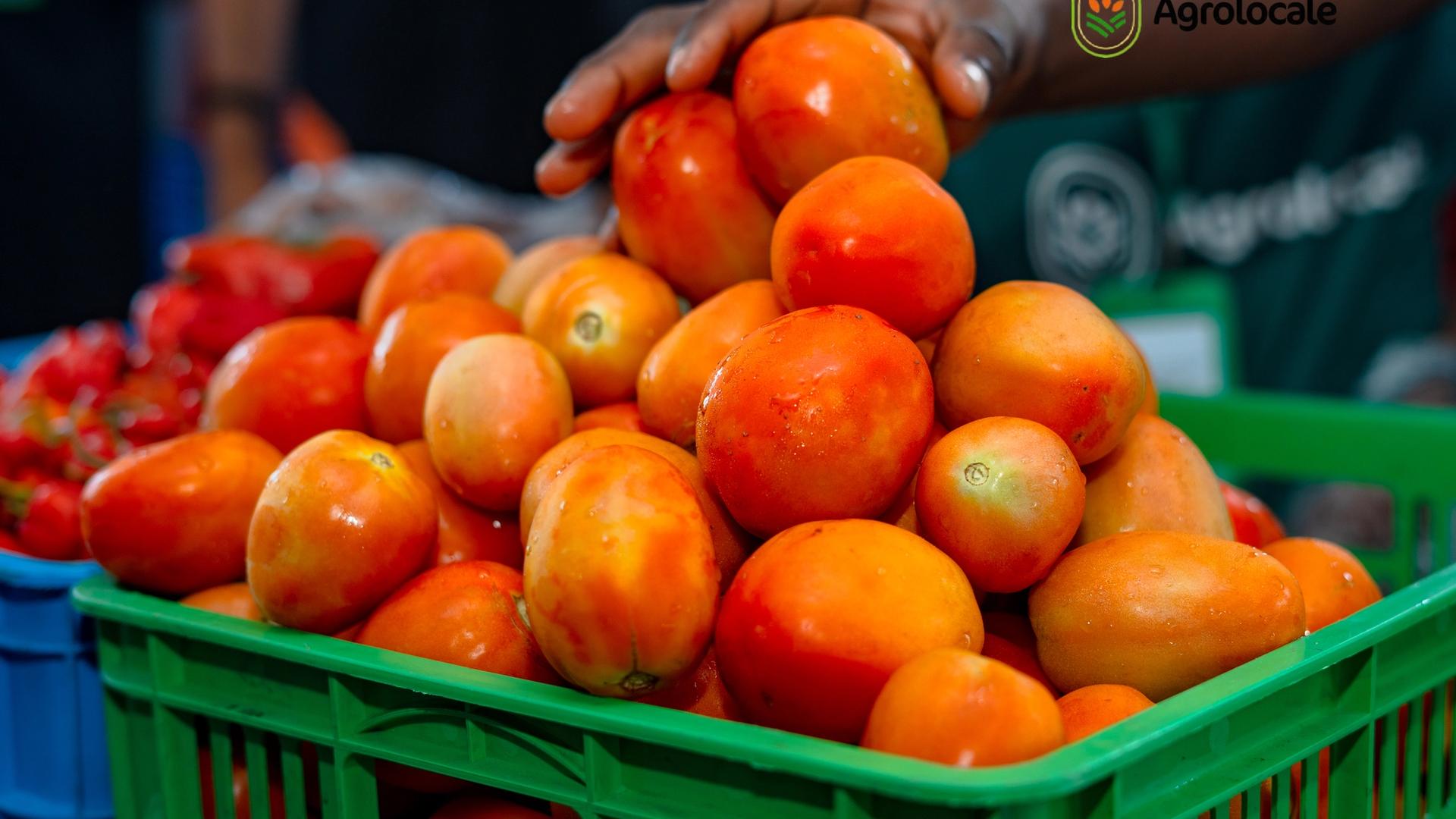
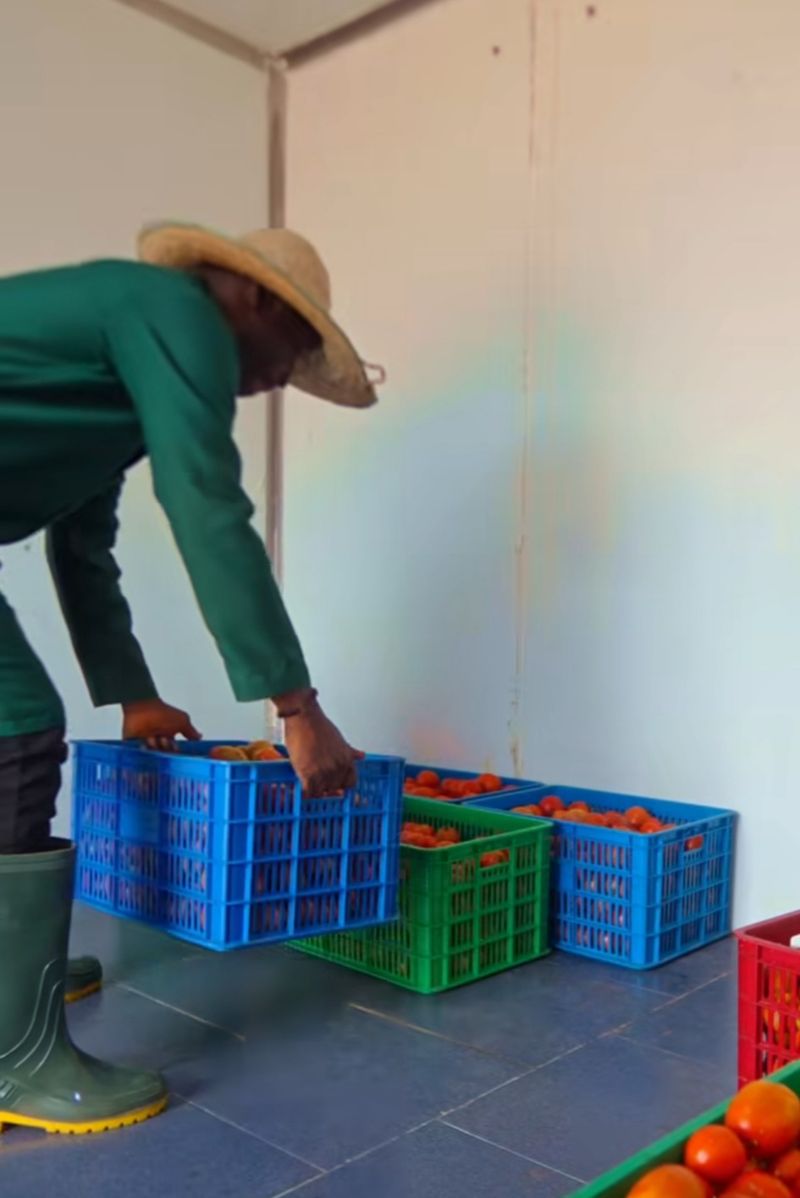
There is a reason freshly harvested tomatoes taste different from the ones that have spent several days sitting in the market…
Right?
The same thing applies to peppers, vegetables, fruits, and almost everything else we eat.
When food is fresh, you can taste the difference.
You'll notice that the natural sweetness is still there, the aroma is more noticeable, and the flavour hasn't had time to fade away...
Unfortunately, getting food in this condition is becoming less common than it should be.
Think about how much food goes through before it finally gets to your kitchen.
First of all, it is harvested, packed, transported, stored, then moved between suppliers and eventually displayed for people to buy.
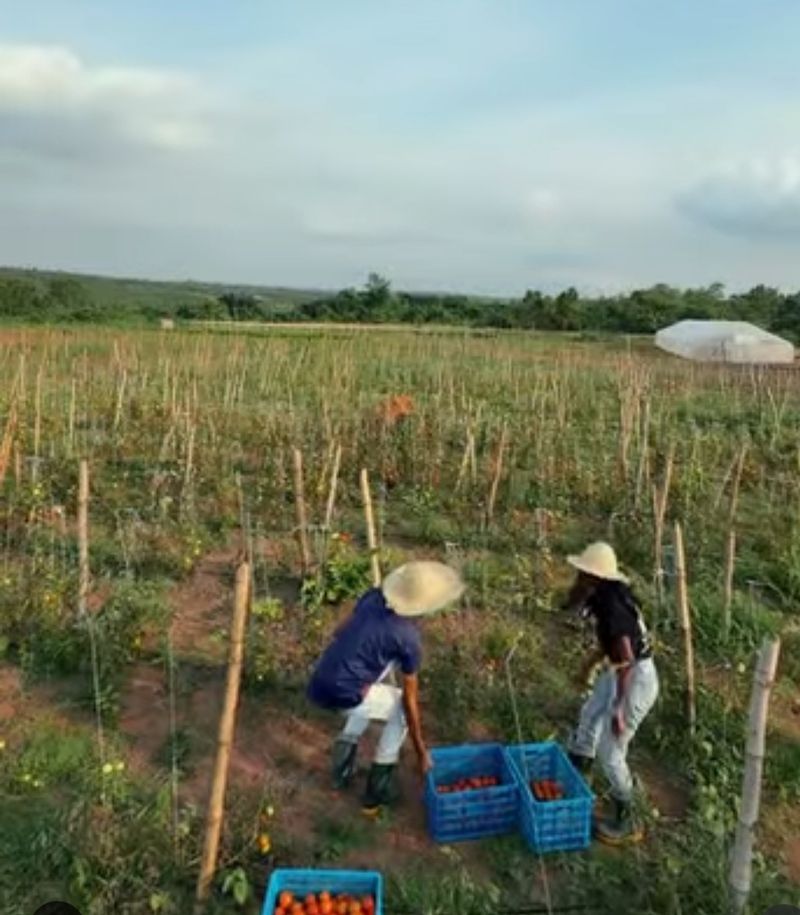
Depending on the distance and how it is handled, several days or even weeks may have passed before it reaches your dining table.
By then, some of the qualities that made the produce special when it was first harvested may have changed.
Tomatoes may no longer have that fresh aroma, vegetables may have lost some of their crispness, and fruits may not taste as good as you expected.
This is one of the reasons we believe the journey food takes from the farm to your table matters just as much as the food itself.
For us, we have built our farm-to-table system around a simple idea:
People should be able to enjoy food that is grown, harvested, and delivered with freshness in mind...
We don't think enjoying naturally flavourful food should be something you experience only when you visit a farm or happen to buy produce immediately after harvest.
But it should be something you can look forward to regularly.
And that is exactly what our farm-to-table system is designed to make possible...
How Do We Grow Our Food
You cannot expect a tomato that hasn't had the right growing conditions to deliver the same eating experience as one that has been properly nurtured from planting to maturity.
For example, take tomatoes: a properly grown tomato develops its characteristic sweetness, acidity, aroma, and colour as it matures.
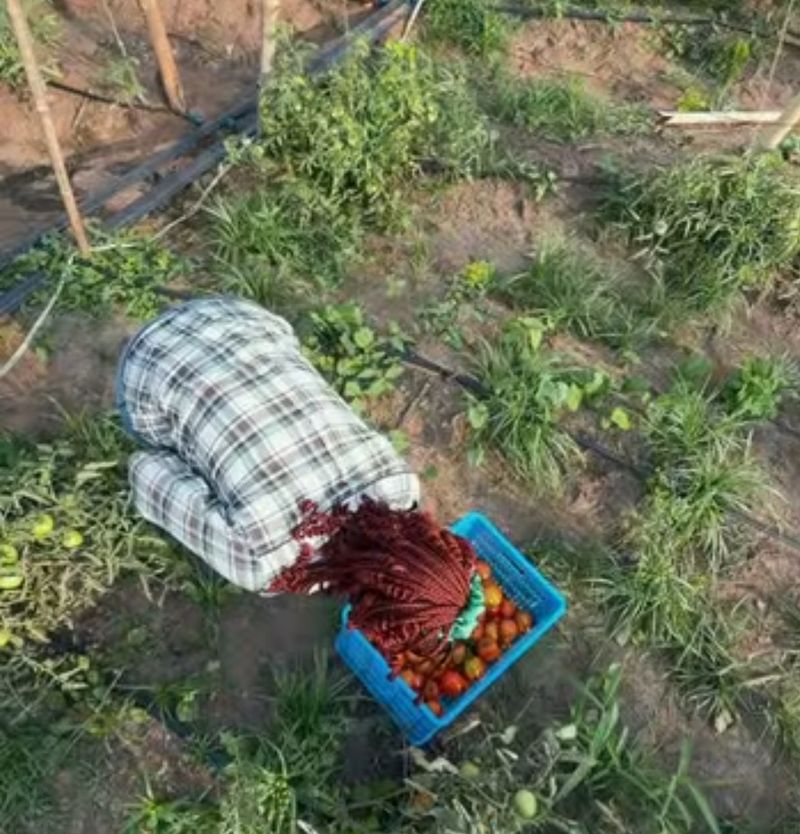
These qualities are part of what makes freshly grown tomatoes so enjoyable.
When you cut one open, you want to see that beautiful red flesh, smell its natural aroma, and enjoy the taste without having to do too much to it.
The same applies to peppers.
Freshly harvested peppers have a distinct aroma and natural flavour that make a difference when you use them to prepare your meals.
Whether you are making stew, cooking soup, or preparing a simple sauce, the quality of the pepper you use can influence the final taste...
We want you to enjoy food that tastes like the food it is supposed to be, and that begins with how it is grown.
Less Time Between the Farm and Your Kitchen
When you buy food from a conventional supply chain, you may not always know how far it has travelled or how many places it has passed through before getting to you.
Here's the thing...
A farmer harvests the produce and sells it to a middleman. The middleman may sell it to another distributor, who then supplies a market or retailer.
From there, it still has to be purchased and transported to your home...
Every additional stage can add time to the journey.
Right?
This doesn't mean all food transported through conventional distribution channels is poor quality.
If you apply proper refrigeration and storage, that can help preserve produce for longer.
However, the longer fresh produce spends moving through the supply chain, the more important careful handling and storage become.
In case you don't know, some fruits and vegetables are particularly sensitive to time, temperature, and handling.
For example, leafy vegetables, can lose moisture and become less crisp when they are not properly stored.
Fresh tomatoes can also experience changes in texture and flavour depending on their maturity and storage conditions.
This is one of the reasons we believe a shorter, more connected journey between the farm and the consumer is important.
With our farm-to-table system, we bring the growing, harvesting, and distribution processes closer together.
Instead of allowing unnecessary delays to become part of the journey, our approach focuses on getting produce from the farm to the people who need it as efficiently as possible.
Think about what that means for someone buying fresh tomatoes.
Rather than having to wonder how long those tomatoes have been sitting somewhere before reaching the market, you can have greater confidence in a system that places the farm much closer to the source of your food.
Freshness Is Also About How We Handle Produce
You can grow crops on a farm, pick them at the right time, and still compromise their quality if they are not handled properly afterwards.
Yes, we know this...
Fresh produce is not like every other product you buy.
You cannot simply pack everything together, place it anywhere, and expect it to arrive in perfect condition.
The reason is that different crops have different storage and handling requirements.
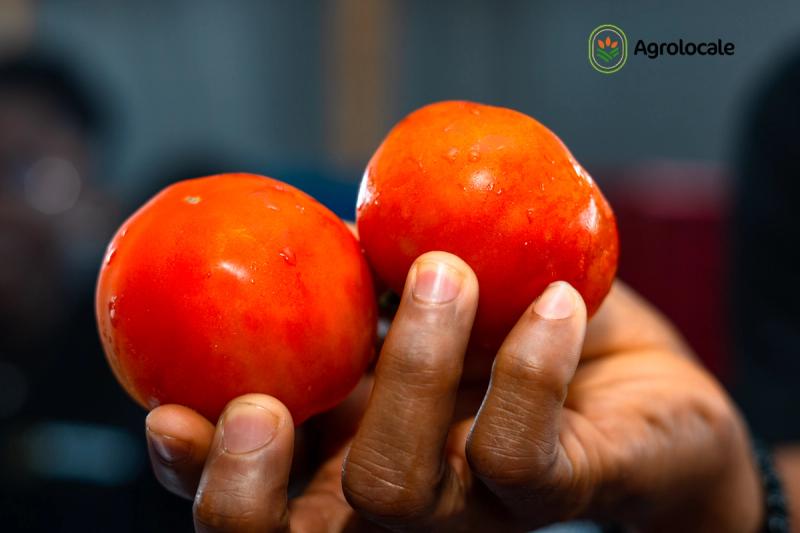
Take tomatoes; they can easily get bruised when they are packed carelessly.
And once damaged, they become more vulnerable to spoilage.
Even something as simple as how produce is arranged in a crate can make a difference.
This is why the journey after harvesting deserves as much attention as the growing process itself.
That's why our farm-to-table system considers the importance of handling produce carefully and paying attention to the conditions under which it is stored and transported.
We want to protect the quality that was developed on the farm so that more of it is still there when the food reaches your home.
You Can Actually Taste the Difference in Your Meals
Sometimes, the easiest way to understand the importance of fresh food is to think about the meals you prepare every day.
Let's take Nigerian stew,
Tomatoes and peppers are two of the ingredients that give many of our meals their distinctive taste.
Whether you are preparing a pot of stew for the family, making jollof rice or cooking a simple sauce, the quality of these ingredients matters.
When you use fresh, properly matured tomatoes, you get their natural tomato flavour, aroma, and acidity.
Now combine them with fresh peppers, onions, and other ingredients, and you have the foundation for a really good meal.
You don't have to do anything extraordinary.
The ingredients already have qualities that contribute to the taste.
These are everyday experiences, but they are also the things that make good food enjoyable.
We want people to experience that difference more often.
We want the tomatoes you use for your stew, the peppers you add to your meals, and the produce you prepare for your family to remind you of what fresh produce should taste like.
That is the experience we bring with our farm-to-table system.
We Want You to Know Where Your Food Comes From
Think about how often you buy food without knowing anything about where it came from.
You see tomatoes at the market, pick a quantity and take them home.
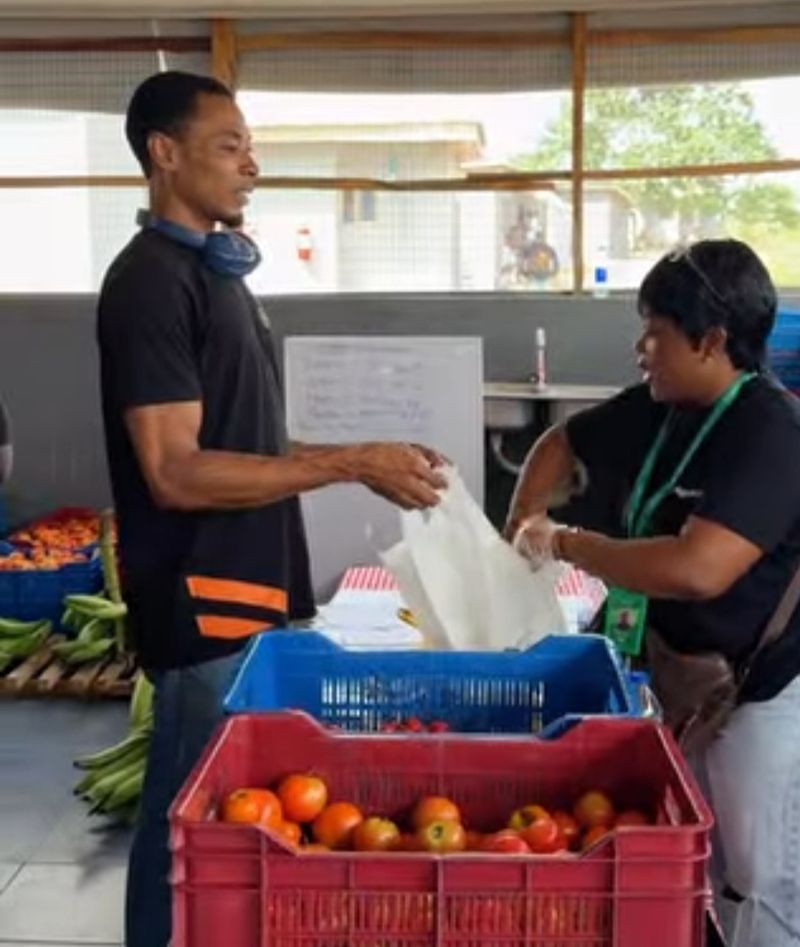
You may not know the farm where they were grown, the growing conditions, or how long they spent travelling before reaching the seller.
There is nothing unusual about this because that is how much of the food supply chain operates.
But we believe people deserve a closer connection to the food they eat.
Knowing where your food comes from gives you a better understanding of what goes into producing it.
This way, you'll begin to appreciate the work involved...
It also makes the entire experience more meaningful.
For us, that's why we want to make farming and food production more accessible to people.
Our farm-to-table system is part of that commitment.
We are not just interested in producing food and moving it from one location to another.
We want to build a system that brings people closer to the source of what they eat.
When you understand where your food comes from, you begin to see it differently.
And we think that connection is worth building.