
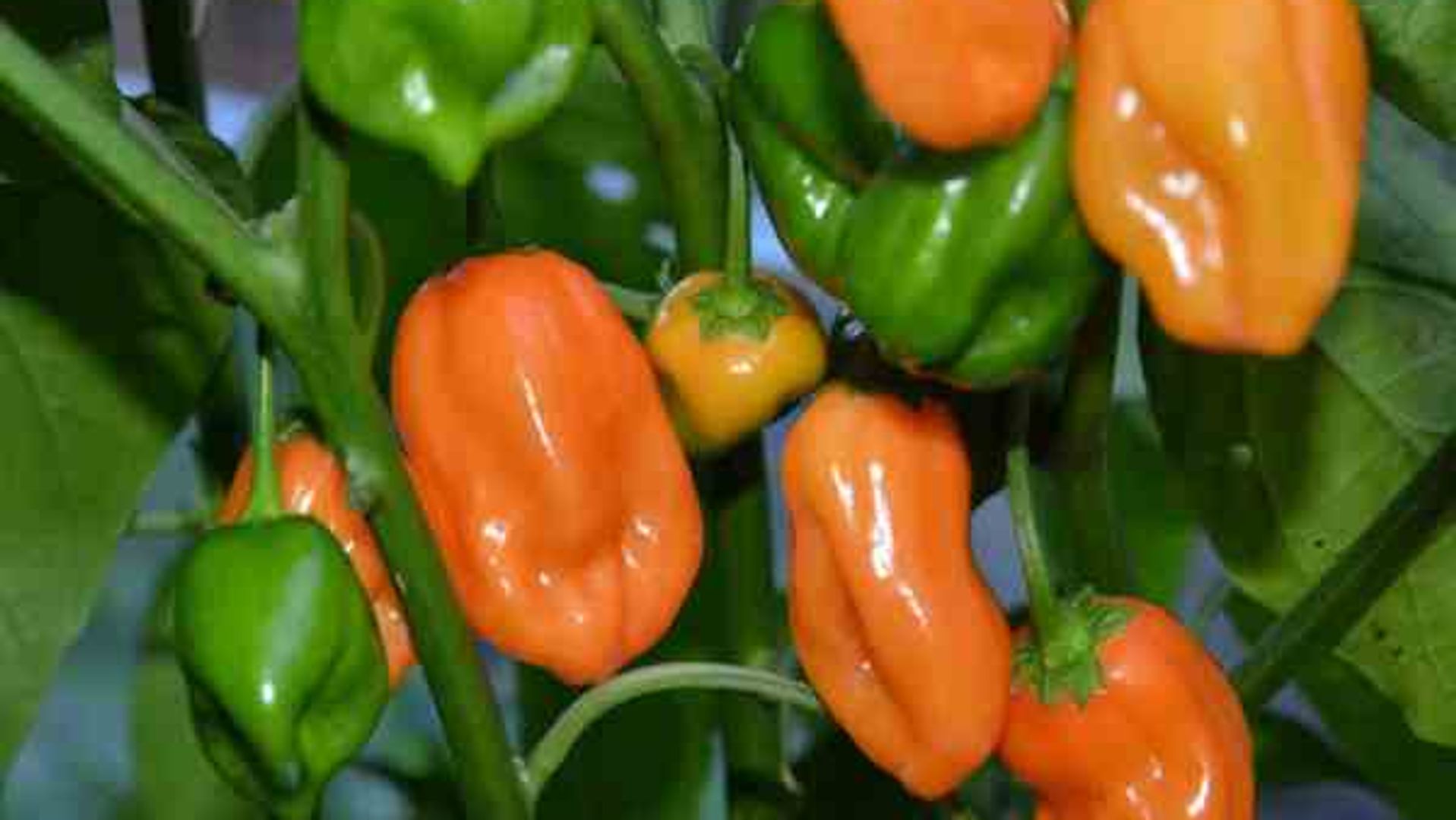
Why your habanero pepper is not growing the way it should
If you are finding it difficult to grow your habanero pepper, you need to know that they are unforgiving plant.
For instance, you may see your plant growing slowly, producing weak leaves, or refusing to fruit the way it should.
The problem is usually not the seed, but it may be the growing conditions.
Today, I'll share with you why your habanero pepper isn't growing the way it should.
The Seedbed Is Too Cold
Habaneros need warm soil to germinate, not warm air.
On a cool morning, even if the air warms up later in the day, a seedbed sitting in the open can be significantly colder than that, especially early in the season.
Seeds will sit in cold soil for weeks without germinating and we assume that the seeds are bad and replant.
The new seeds sit in the same cold soil and do the same thing.
If you're starting seeds in the cooler months, raise your seedbed.
A nursery bed that's slightly elevated and exposed to morning sun warms up faster and holds heat longer than a flat seedbed on the ground.
If you have access to old manure or compost, a hotbed works well too a thick layer of decomposing material underneath the seedbed generates gentle heat from below as it breaks down.
Watering Every Day
This is the one that kills the most nursery seedlings across the board.
Habanero roots need to breathe.
Soil that's constantly saturated has no air in it.
Roots sitting in airless, wet soil start to die.
Dying roots can't fight off infection.
The seedling collapses, you adds more water thinking it's wilting from dryness, and it dies faster.
Water when the top of the soil is dry to the touch, then leave it.
Let the surface dry before you water again. The seedling's roots will follow the moisture down and grow deeper, which makes a stronger plant that handles transplant stress better.
Too little water is a problem too, but in most nursery situations overwatering is the bigger killer.
No Shade, or Too Much Shade
Both are common.
And both produce seedlings that either die in the nursery or perform poorly in the field.
In the first two weeks, lean toward more shade.
As the seedlings develop their first true leaves and start to look established, reduce the shade gradually so they adjust to stronger light before you move them to the field.
This preparation matters seedlings that have been in deep shade all through the nursery and then get transplanted into open sun go into shock.
You lose days or weeks of growth while they recover.
Picking the Wrong Spot in the Field
Habaneros need sun.
At least six hours of direct sunlight, eight is better.
Fields that are partially shaded by trees, walls, or neighbouring crops produce habanero plants that grow slowly, flower late, and yield far less than they should.
Drainage matters just as much, habaneros does not tolerate waterlogged ground.
Even one or two days of standing water around the roots after heavy rain can set a plant back significantly, and repeated waterlogging kills them.
If your field has low patches where water sits after rain, habaneros don't go there.
They go on the raised beds, the slightly elevated rows, the ground with a visible slope away from the plant base.