How Long Does Plantain Actually Take To Grow?
If you have ever planted plantain, you probably know one of the biggest questions isn't just: How long will it take?
But how will I know when it is ready for harvest?
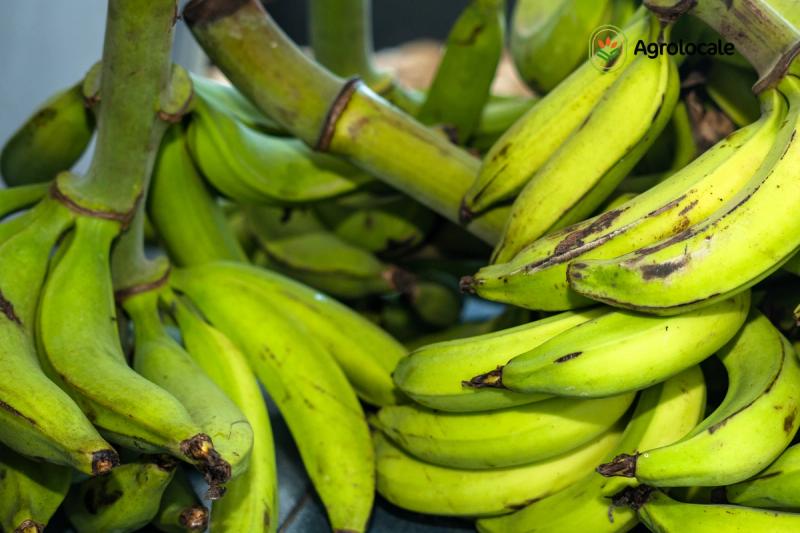
Because plantains behave strangely...
You can plant your sucker, watch it grow for months, see the leaves get bigger and bigger, and eventually a flower appears.
Then the bunch develops, and you start wondering whether you should cut it now or give it more time.
If you get it wrong and harvest too early, you can end up with small, poorly developed fingers.
If you leave it too long, the plantain may start ripening on the plant, which can create another problem if you are growing it for commercial purposes.
In case you missed it: https://agrolocale.com/blog/Maize
So, how long does plantain actually take to grow?
In some conditions, plantain takes roughly 9 to 15 months from planting to harvest.
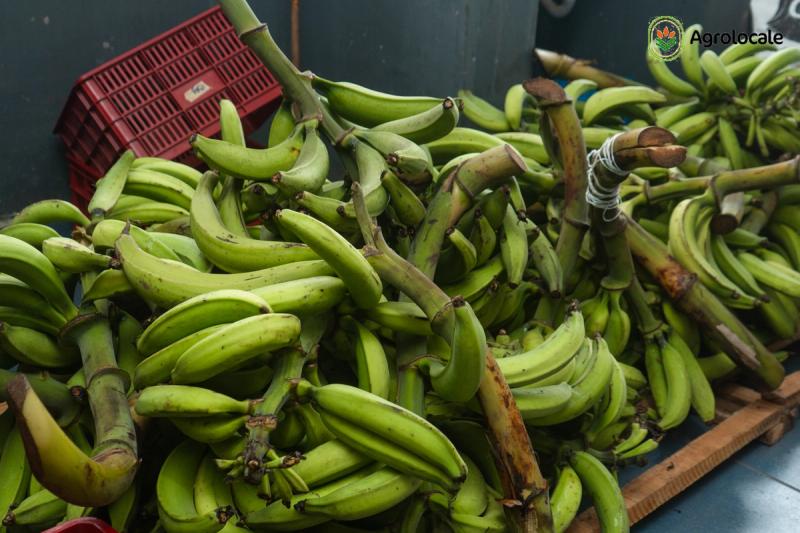
But that is not a fixed number.
Some plants can be ready earlier, while others take longer.
Plus, the variety you planted, the quality of the planting material, rainfall, soil fertility, spacing, weed control, and general management all have a role to play.
Firstly, it starts with what you plant
First of all, plantain is propagated using suckers rather than planting seeds.
If you are starting a plantain farm, the quality of those suckers matters.
And here's why...
A healthy sucker gives you a much better starting point than one that is already weak, diseased, or poorly developed.
And you also need to pay attention to where you plant it...
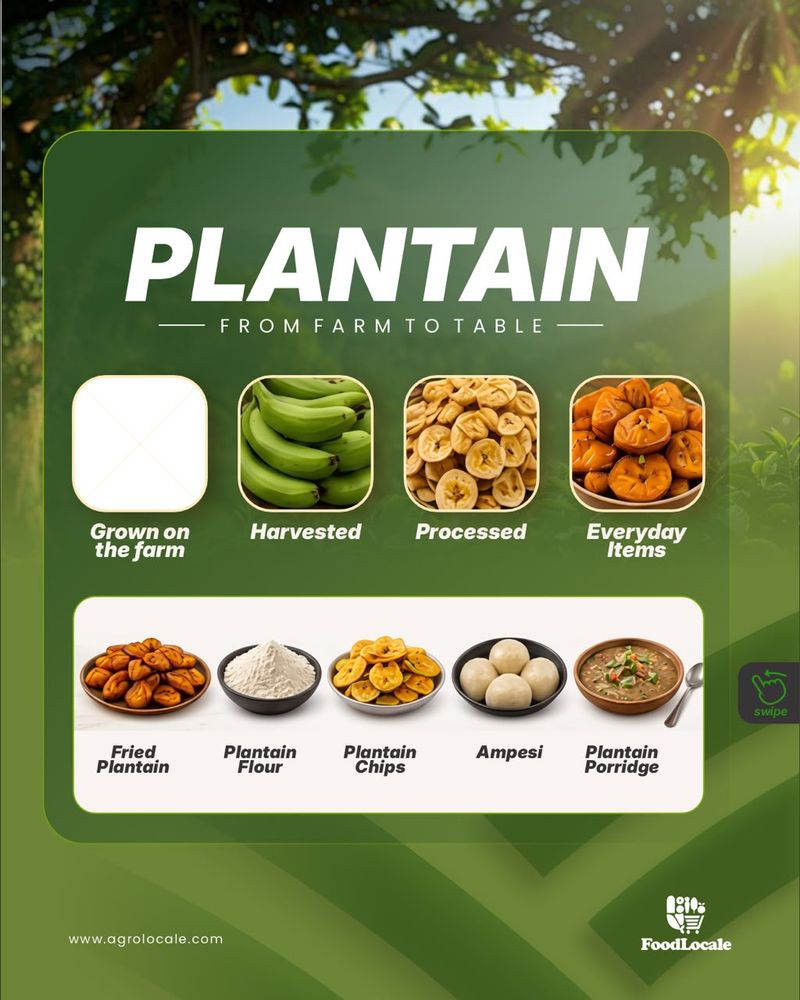
Plantain loves moisture, but that doesn't mean you should put it in a place where water sits permanently.
The soil needs to hold enough moisture for the plant while still allowing excess water to drain away.
In this case, good soil makes a noticeable difference.
If the soil is poor, the plant may survive, but survival is not the same thing as good production.
This is why we don't just look at the plant.
We look at the soil, the leaves, the suckers and the condition of the farm.
Because everything is connected.
Watch the growth
Plantain can grow surprisingly fast when conditions are right.
And because of this...
The leaves need plenty of sunlight because the plant is using that sunlight to produce the energy it needs for growth.
This is one reason spacing is important.
You don't want your plants fighting unnecessarily for sunlight, water, and nutrients.
At the same time, you don't want a farm that is so open that you are wasting valuable land.
There should be a balance...
As the plant grows, you also have to keep an eye on weeds...
Why?
Because weeds compete with the plantain for nutrients and water, particularly when the plant is still young.
So keeping the farm clean is not simply about making it look neat.
It affects how well the plants perform.
How do you know plantain is ripe?
You need to know that there is a difference between mature plantain and ripe plantain.
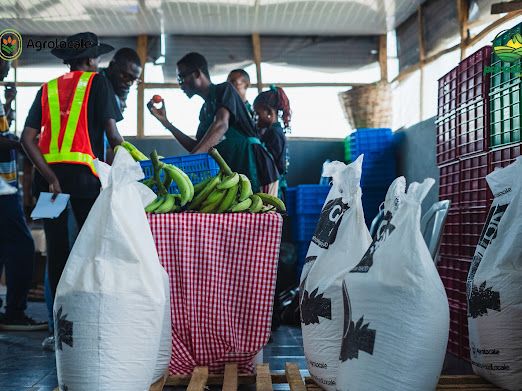
Because they are not the same thing.
If you are harvesting plantain for the market, you will usually want it to reach the appropriate level of maturity before cutting it.
Right?
You don't necessarily wait until the plantain has turned yellow on the farm.
In fact, commercial farmers often harvest mature green plantain and allow it to ripen later.
Why?
Because once plantain starts ripening, it becomes softer and more vulnerable to damage during transportation and handling.
In this case, mature plantain can travel better.
So the question isn't always, “Is it ripe yet?
Sometimes the better question should be:
"Has the fruit developed enough to be harvested"?
Study the shape of the fingers
We usually observe the shape of the fingers this way.
We know that young plantain fingers tend to look more angular and sharply ridged.
As they mature, they become fuller...
The edges and ridges become less pronounced, and the fingers start looking rounder.
That change is important.
If you cut a bunch too early, the fingers may still look noticeably thin and angular.
But as maturity approaches, the fruit begins to look more filled out.
This is one of those things that experience makes it easier to recognise.
The colour can also tell you something
The colour of the fruit can change as it matures, but don't rely on colour alone.
What matters is the overall appearance of the bunch.
Some people consider things like the size of the fingers, their fullness, the shape of the fruit, and how far the bunch has developed from the flowering stage.
This is why someone who has been growing plantain for years may walk into a farm, look at a bunch for a few seconds, and say, “This one is ready for harvest.”
It may look like guessing. But it isn't.
They have simply learned what to look for.
The time from flowering to harvest matters too
Another useful thing we do is pay attention to when the bunch emerged.
Once you know approximately when a plant flowered, you have another reference point for estimating when the bunch may be ready.
Depending on the variety and growing conditions, the period from flowering to harvest can be several months.
But again, don't turn that into another rigid rule.
A bunch growing under excellent conditions may develop differently from one growing on a stressed plant.
So, rainfall, soil fertility, and temperature can all influence development.
What happens if you harvest too early?
Don't confuse yourself with how big the bunch is...
Because you may decide to cut it...
Then you discover that the fingers aren't as well developed as you expected.
The fruit may be smaller, and the final quality may not be what the market wants.
This is why you need to be patient...
The fact that the plant has produced a bunch doesn't mean the bunch is immediately ready for harvest.
Give it time to fill out and learn from what you see