
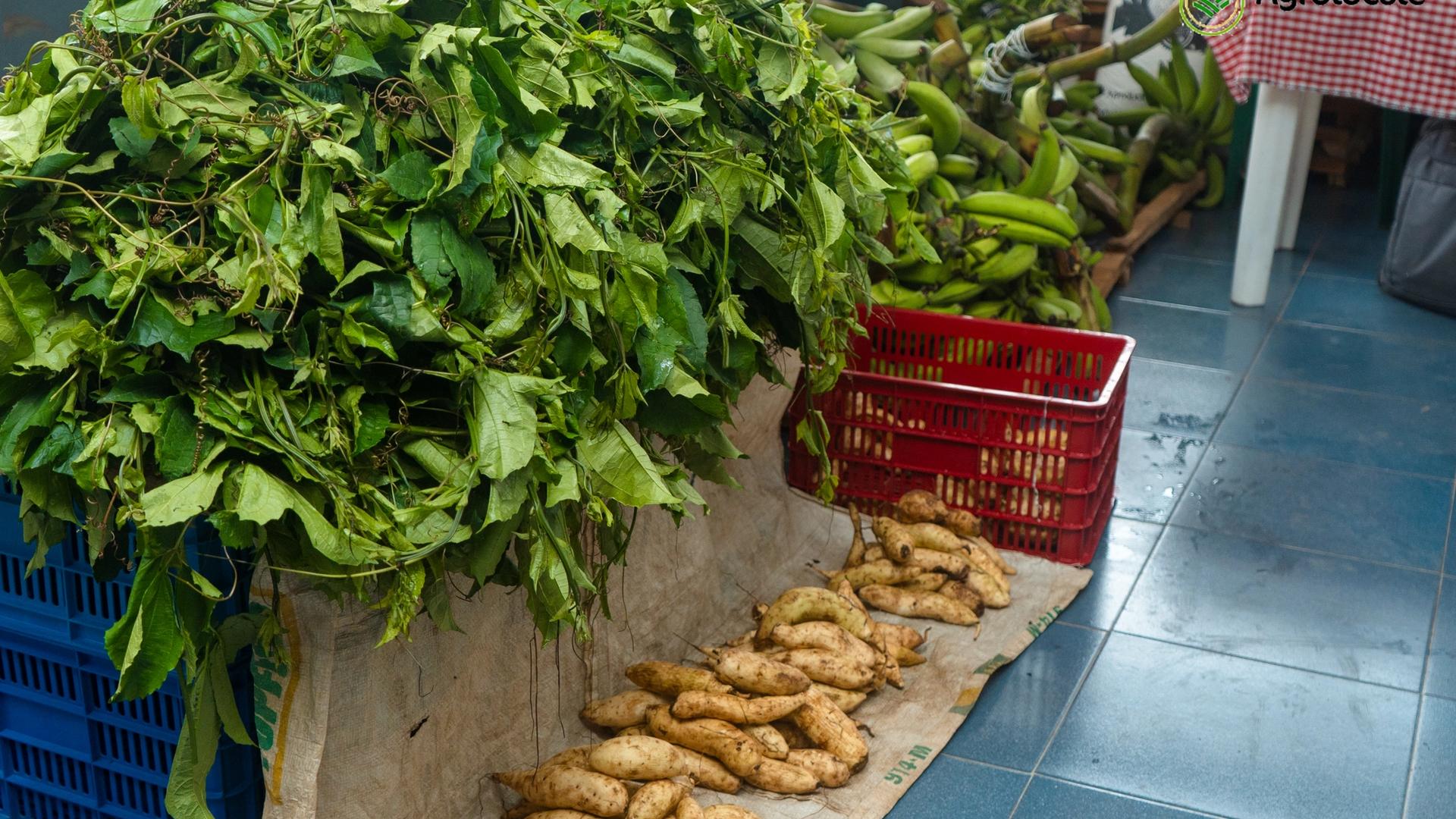
How to Store Sweet Potatoes and Keep Them Fresh Longer
If you want your sweet potatoes to last longer after harvest, start by being a little more careful when you dig them up...
We know it is tempting to harvest quickly, especially when you have a lot of roots in the ground...
Right?
Unfortunately, we've seen sweet potatoes bruise and get cut more easily than they look.
In fact, the root may look perfectly fine when you pick it up, but it can start rotting a few days later because it was damaged during harvest.
That is why we try not to throw the roots into a basket or pile them up as we harvest...
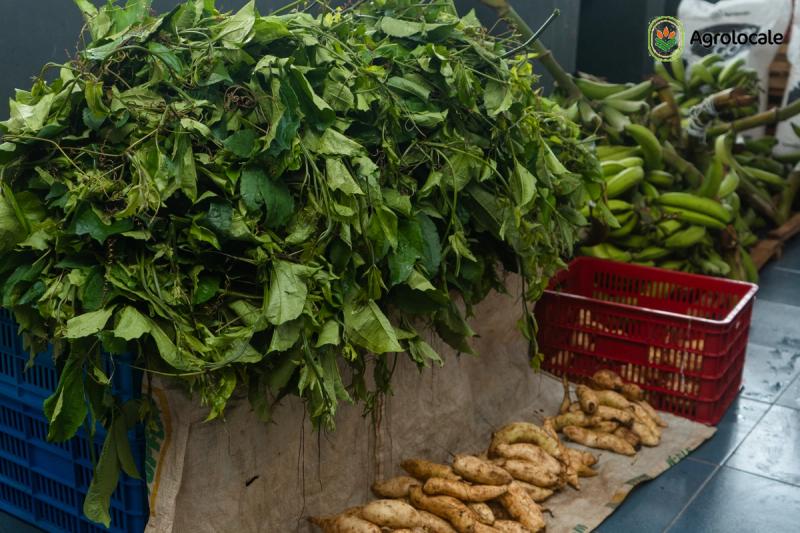
We know we need to handle them gently and, as much as possible, keep them from being knocked against hard surfaces...
In case you missed it: https://agrolocale.com/blog/sweet-potatoes
Be careful when you are harvesting sweet potatoes
If you use a hoe or digging fork, we recommend that you leave enough space around the plant so you don't cut into the roots...
This may seem like extra work when you have a whole field to harvest.
We know that...
It's just important that you do it before they even leave the field.
Once you have the sweet potatoes out of the ground, make sure you don't rush them straight into storage...
Because when you harvest them freshly, they usually have little cuts, scratches, and bruises from digging, even when you are careful during harvest.
That's why we recommend curing and we don't want you to think of curing as some complicated process...
But we consider curing as a healing process because it gives those small wounds time to heal and also allows the skin to become tougher.
This helps the sweet potatoes hold up better during storage.
Take your time to sort out the potatoes
We know sorting is probably not the most exciting part of harvesting, but it's important to identify the damaged roots...
The reason is that you don't want to treat sweet potatoes with deep cuts, serious bruises or obvious signs of decay the same way as a healthy root...
Right?
That's why you need to put the damaged roots aside.
Better still, they can be sold first, eaten, or processed, rather than allowing one damaged root to sit among a pile of good ones.
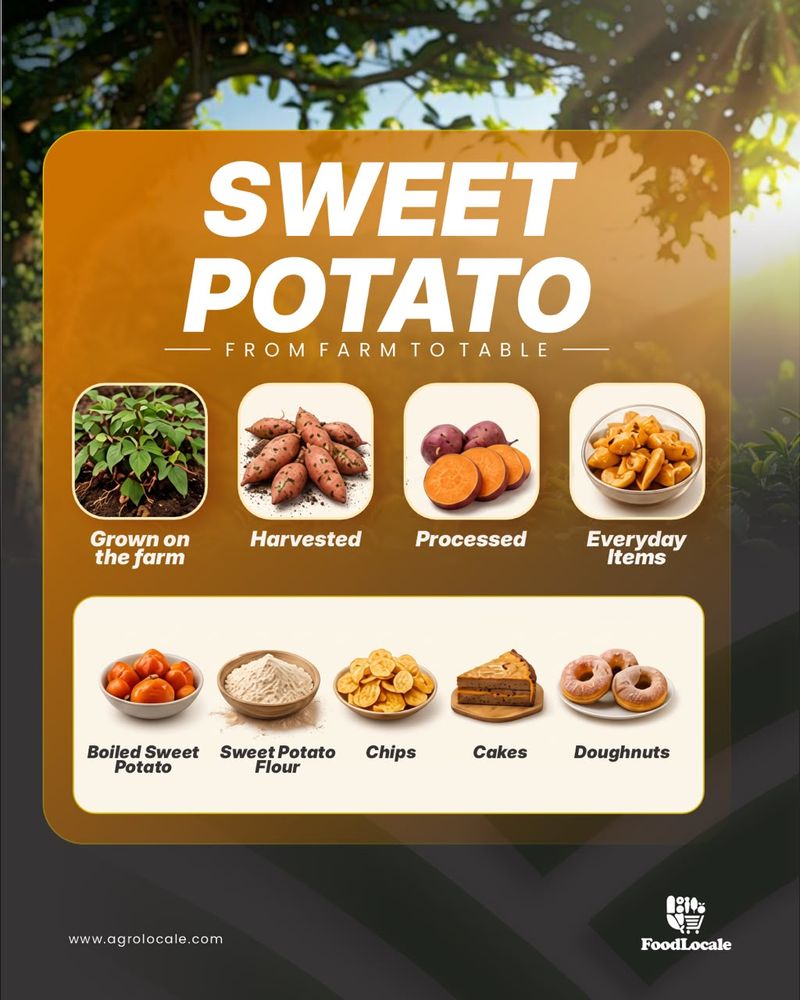
Because we have found that people sometimes make storage harder than it needs to be by treating every root exactly the same.
The truth is, they are not the same...
When you have a clean, firm sweet potato with an intact skin, chances are that it lasts longer than one that was badly cut during harvesting.
Where you store them matters
You don't need an expensive warehouse to keep sweet potatoes for longer...

All that you need is a well-ventilated place...
For example, if the storage area has a roof, make sure rain cannot get in and that there is enough ventilation for air to move around.
We also recommend avoiding putting the sweet potatoes directly on a bare floor.
Instead, we recommend you use wooden slats, crates, or another clean surface that can help keep them away from moisture coming from the ground.
And don't pack them so tightly that air can't move through the pile...
Because when you pack sweet potatoes tightly, it also becomes much harder to see what is happening between the roots.
If one root begins to decay, and before you notice it, the problem has spread to the roots around it.
That's why we recommend smaller piles that are easier to inspect and easier to manage...
Sweet potatoes don't like moisture
They don't do well when they are constantly wet.
If your storage area has a leaking roof, poor drainage, or water coming in from the ground, we suggest that you fix that before putting a large harvest there.
The reason is simple...
You may have perfectly healthy roots going into storage and still lose a good portion of them because of the storage environment...
And we also recommend that you shouldn't wash a large quantity of sweet potatoes and then put them straight into storage.
Because when you wash, it leaves extra moisture around the roots, and that can create problems if they are not properly dried...