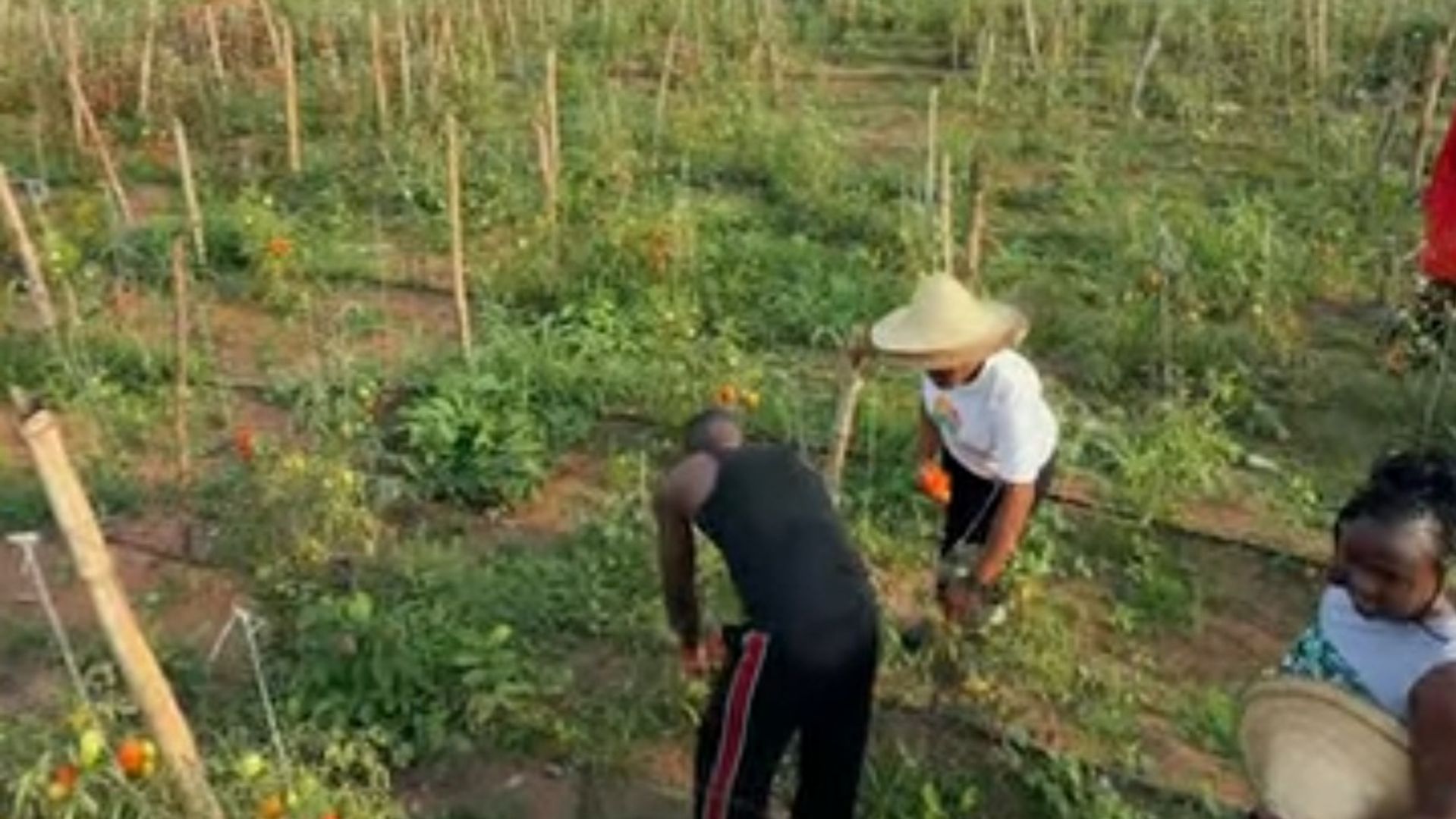
How To Plant Tomato Seeds
Tomatoes need at least 6-8 hours of sunlight daily...
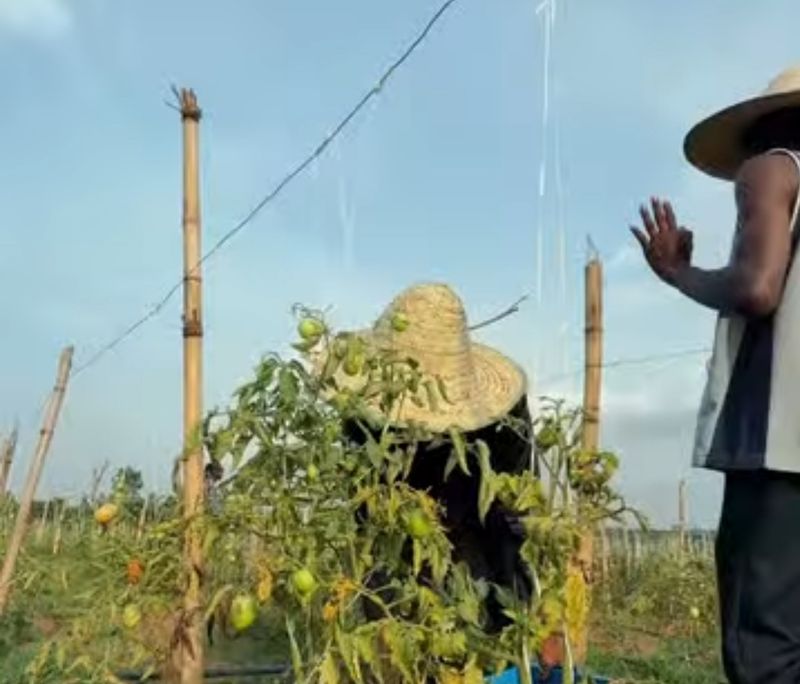
Sometimes it takes 65 to 90 days or even longer before you can pick your first ripe tomatoes...
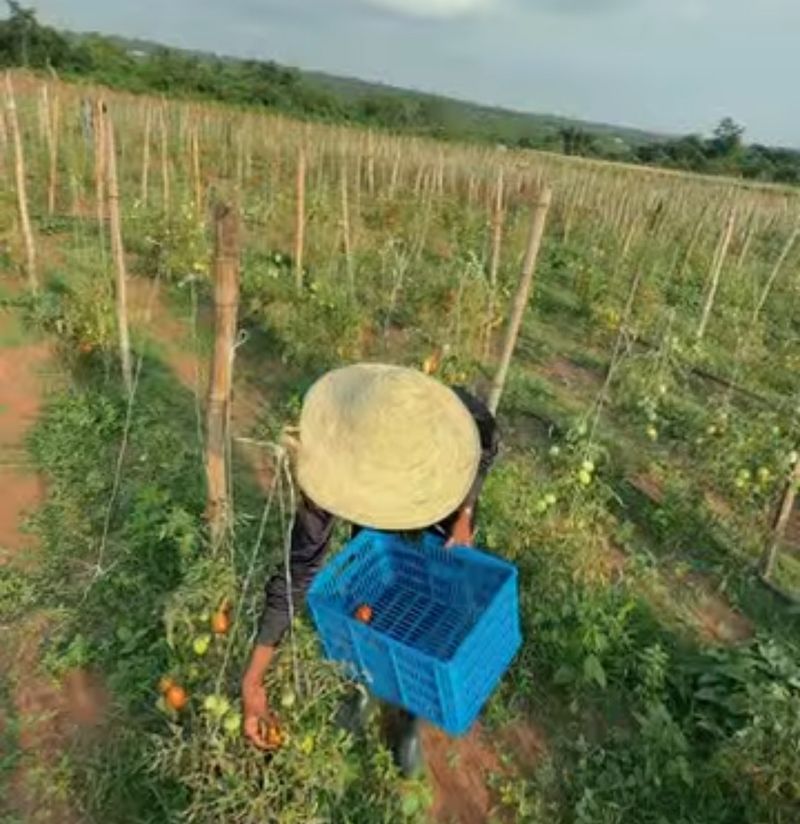
And when a plant takes that long to mature, you don't want to spend weeks looking after it...
Right?
Or seeing that your seed hasn't germinated well...
Today, I'll walk you through how to plant your tomato seeds and make growing tomatoes much easier to manage.
In case you missed it: https://agrolocale.com/blog/tomatoes-3
Get Your Planting Containers Ready
You can sow tomato seeds directly into the farm, but we usually recommend starting them in small containers or seedling trays...
The reason is that it gives you better control over watering and makes it easier to select healthy seedlings before transplanting.
You don't necessarily need to buy a fancy seedling tray.
We also recommend small nursery pots; suitable plastic cups with drainage holes and other clean containers can work.
What matters is that excess water can drain away freely...
Because if water remains trapped around the roots, the growing medium can become waterlogged and reduce the amount of oxygen available to them.
Because of this, seeds may rot before they germinate, and young seedlings can develop problems such as damping-off, a disease that causes seedlings to collapse near the soil surface...
I know you don't want it to happen, right?
That's why you should also make sure your containers have drainage holes at the bottom.
If you are reusing containers, wash them properly before planting to remove old soil and plant debris that could carry disease...
We also suggest that you avoid putting your tomato seeds in a container that is too large unless you are comfortable managing the moisture throughout the growing medium.
A small container is easier to monitor, and you can move the seedlings into larger pots as they develop.
Remember, the goal at this stage is not to grow a big tomato plant immediately.
It is to give the seed a suitable place to germinate and produce a healthy seedling.
Use the Right Soil or Growing Medium for your Tomato seeds
Tomato seeds do not need heavily fertilised soil to germinate.
Most people don't know this...
What they need is a growing medium that holds enough moisture to keep the seeds from drying out while allowing excess water to drain.
This is one reason we recommend a clean, light seed-starting mix rather than heavy soil.
A suitable mix made from materials such as coco coir, peat-free seed compost, or a properly prepared commercial seed-starting medium can provide the conditions young roots need.
This is because heavy soil may become compacted inside a small container.
When that happens, water movement and aeration can suffer, making it harder for delicate roots to establish themselves.
If you are preparing your own growing medium, make sure the materials are clean and that the mixture does not become sticky or waterlogged when you add water...
You should also moisten the medium before sowing.
Make sure it feels damp when you touch it, but water should not pour out when you squeeze a handful.
Plant the Tomato Seeds at the Right Depth
Tomato seeds are small, so you don't need to dig deep holes for them.
In most cases, a planting depth of about 0.5 centimetres is enough.
Or you can make a shallow hole with your finger or use a small stick to create a space for each seed.
You can place one or two seeds in each planting spot, then cover them lightly with the growing medium.
If you sow two seeds together, you can keep the stronger seedling later if both germinate...
The reason planting depth matters is that the seedling needs enough energy to push through the growing medium and reach the surface.
If you bury the seed too deeply, chances are that germination may take longer, and the seedling may struggle to emerge.
If you leave it sitting uncovered on the surface, it can dry out too quickly.
That's why after you cover the seeds, gently water the container if the medium needs additional moisture.
You can use a watering can with a fine rose or a gentle spray so you do not disturb the seeds.
At this point, you might be tempted to keep adding water because you want the seeds to grow quickly.
We advise that you resist such temptation...
Because the growing medium needs to remain moist, not soaked.
Water the Seedlings Without Overwatering Them
Young tomato plants have small root systems, so they cannot draw water from a large volume of soil.
At the same time, their roots need oxygen, which means you must be careful not to keep the growing medium saturated.
We encourage you to check the moisture of the medium every day rather than following a rigid watering schedule.
In this case, the amount of water your seedlings need will depend on the temperature, container size, sunlight, airflow, and the type of growing medium you are using...
If the surface is beginning to dry and the container feels lighter, it may be time to water.
But if the medium is still damp, you can wait.
On the other hand, when you water, we recommend you aim to moisten the root zone without leaving the container sitting in a pool of water.
If you are using a tray beneath your seedling pots, empty any excess water after the containers have had time to drain.
You should also pay attention to how quickly the growing medium dries out.
A seedling tray placed in a hot, sunny area may need more frequent attention than one kept in a cooler location.
Please do not assume that a plant needs water simply because its leaves look droopy.
Excessive heat, damaged roots, and waterlogged soil can also cause wilting.
We suggest you check the medium before deciding what to do...
The goal is to maintain steady moisture while encouraging the roots to grow into a healthy, well-aerated growing medium.
Once you understand how quickly your containers dry out, watering becomes much easier to manage.
Know When to Thin Out Your Tomato Seedlings
If you planted two seeds in the same spot and both germinated, you may eventually have two seedlings competing for the same space.
At first, this may not look like a problem.
Right?
But both plants are small, and their leaves may not be touching.
As they grow, however, their roots and leaves begin competing for water, nutrients, light, and room to develop.
This is why we recommend keeping the stronger seedling rather than allowing several seedlings to grow together in one small container.
Plus, you should always wait until the seedlings have emerged and you can identify which one looks healthier.
Then you can remove the weaker seedling by snipping it close to the growing medium with clean scissors.
This is often safer than pulling it out, which can disturb the roots of the seedling you want to keep.
In this case, you can look for a seedling with a sturdy stem, healthy green leaves, and steady growth.
Plus, you should avoid choosing a plant simply because it is the tallest.
A very tall, thin seedling may actually be struggling because it has not received enough light.
Thinning gives the remaining plant more room to develop. It also makes it easier to monitor its condition and prepare it for transplanting.
If only one seed germinated in each container, there is no need to thin anything.
You can continue caring for the seedlings and give them enough room as they grow...