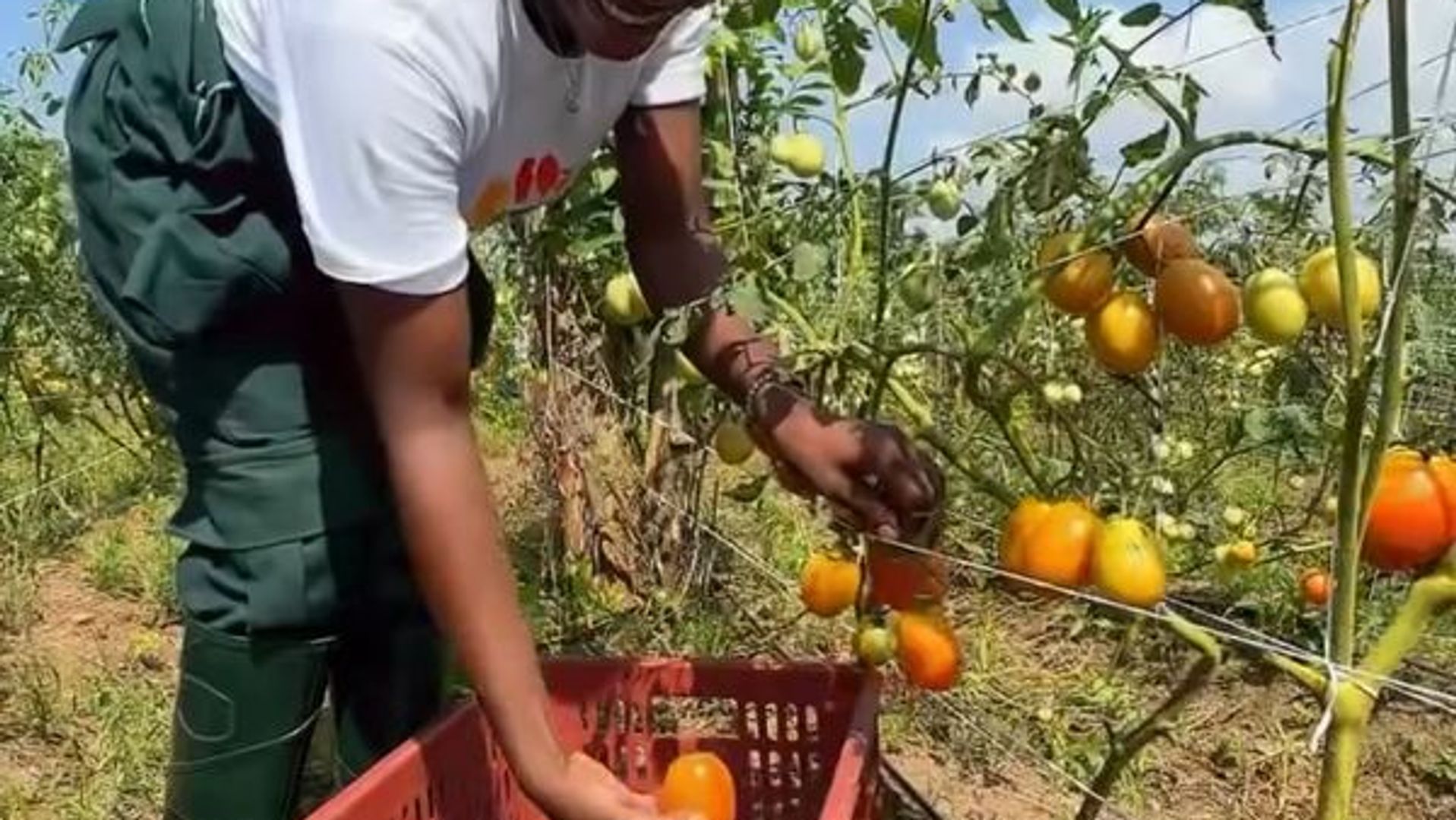
How many tomatoes can you get from one plant?
Have you ever asked yourself, How many tomatoes will this one plant actually give me?
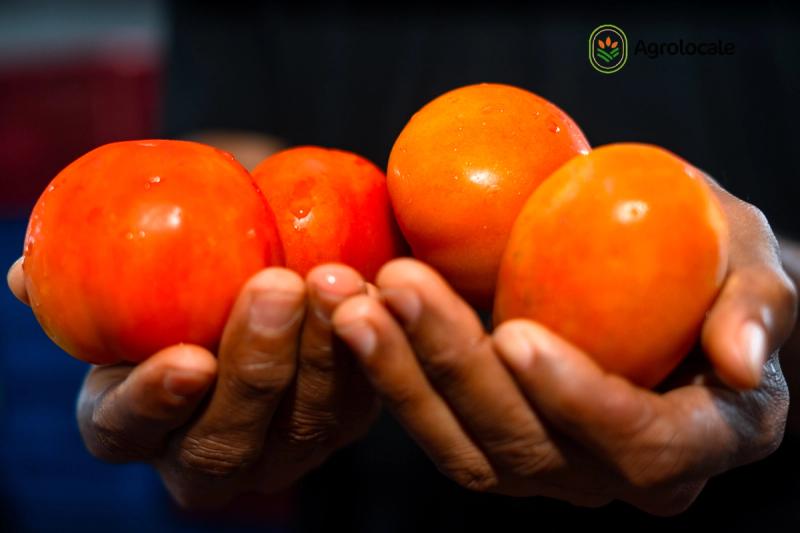
I guess you have been there...
But the answer isn't as simple as saying 10, 20, or 50 tomatoes.
First of all, a healthy tomato plant can produce anywhere from 10 to 30 tomatoes or more depending on the growing conditions..
Of course, the number of tomatoes isn't always the best way to measure your harvest...
For example, one plant might produce 20 large tomatoes while another produces 50 small ones.
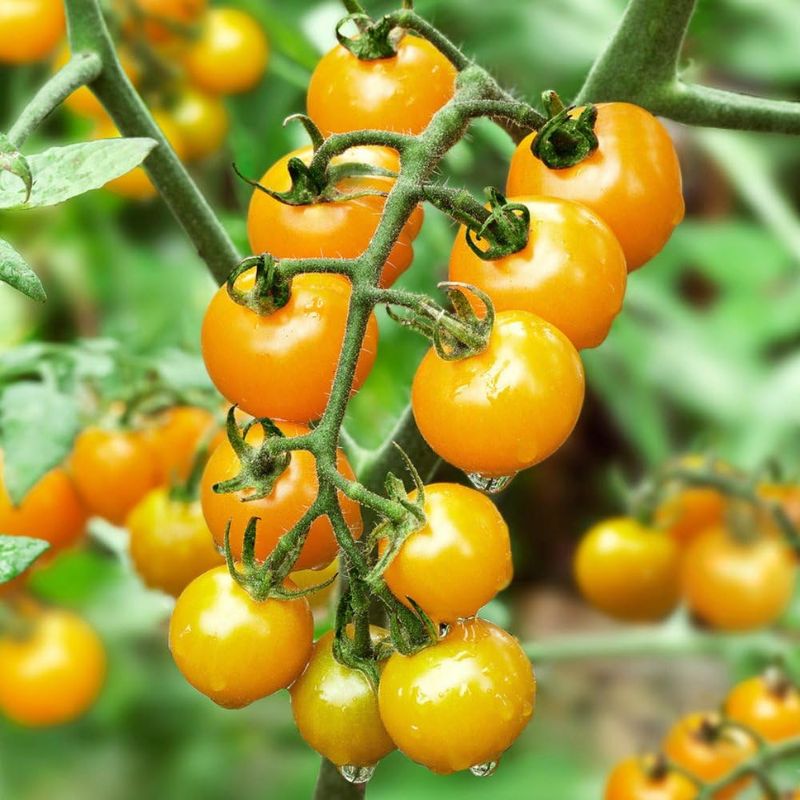
Meaning that, the second plant has more fruit, but the first one could still give you a heavier harvest...
In case you missed it: https://agrolocale.com/blog/tomatoes
So, how many tomatoes does one plant produce?
For a typical healthy plant, getting around 10 to 30 tomatoes is a reasonable general expectation.
Right?
But I don't want you to treat that number as a guarantee...
Because tomato varieties are different.
Some produce large fruits.
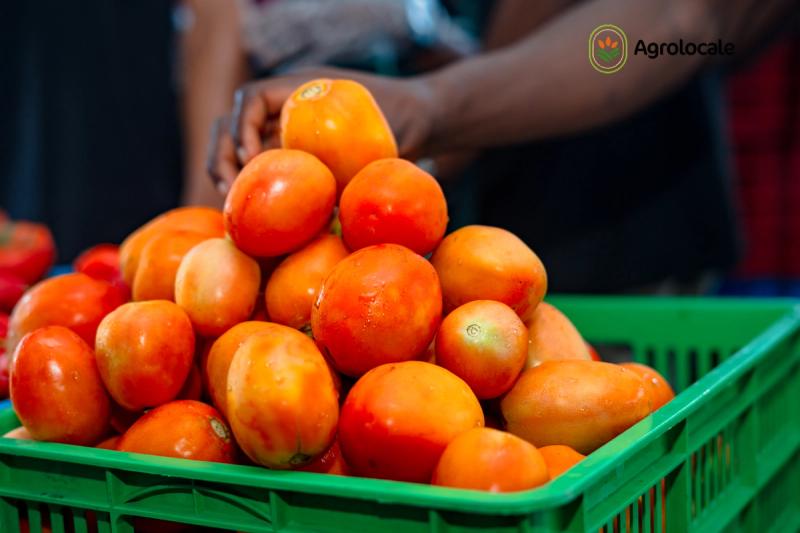
Others produce small fruits in much larger numbers.
Some varieties keep producing tomatoes over a long period, while others produce most of their crop within a shorter window.
Let's say you have two plants.
The first produces 20 tomatoes, and each tomato weighs about 150 grams.
That's roughly 3 kilograms of tomatoes...
The second produces 40 tomatoes, but each weighs only 50 grams.
That's about 2 kilograms.
The second plant produced twice as many tomatoes, but the first plant actually produced more tomatoes by weight.
Right?
This is why we usually pay close attention to yield per plant, yield per hectare, and fruit quality, rather than simply counting individual tomatoes.
Also, the tomato variety makes a huge difference
Before you start calculating how many tomatoes you can harvest, you need to know what variety you're planting.
Don't get confused...
We have seen people who plant a variety that naturally produces smaller fruits in large clusters...
Your variety could produce larger tomatoes but fewer fruits.
Neither plant is necessarily better.
They are just different.
Some tomato varieties are also determinate, meaning they tend to grow to a certain size and produce much of their crop within a defined period.
Others are indeterminate and can continue growing and producing fruits for a much longer period when conditions are suitable.
That difference alone can change the number of tomatoes you eventually harvest from one plant.
So before you calculate your expected harvest, start with the seed variety.
• Know what you're planting.
• Know its expected yield.
• And know what conditions it performs best under.
Does the seed alone determine your harvest?
You can have excellent tomato seeds and still end up with a poor harvest.
Why?
Because the plant still has to grow.
And several things happen between planting the seed and picking the first ripe tomato...
• The plant needs enough sunlight.
• It needs water.
• It needs nutrients.
• It needs good soil.
• It needs protection from pests and diseases.
• And it needs to successfully produce and retain flowers that eventually become fruits.
If any of these things go wrong, your final harvest can drop.
Think about it this way...
A tomato plant may have the genetic potential to produce plenty of fruits.
But that potential means very little if the plant spends most of its growing period fighting drought, nutrient deficiencies, pests or disease.
That's why good tomato production starts long before you see the first tomato.
Sunlight can determine how productive your plant becomes
In case you don't know. Tomatoes love sunlight.
A plant that receives enough sunlight has a much better opportunity to produce the energy it needs for healthy growth and fruit production.
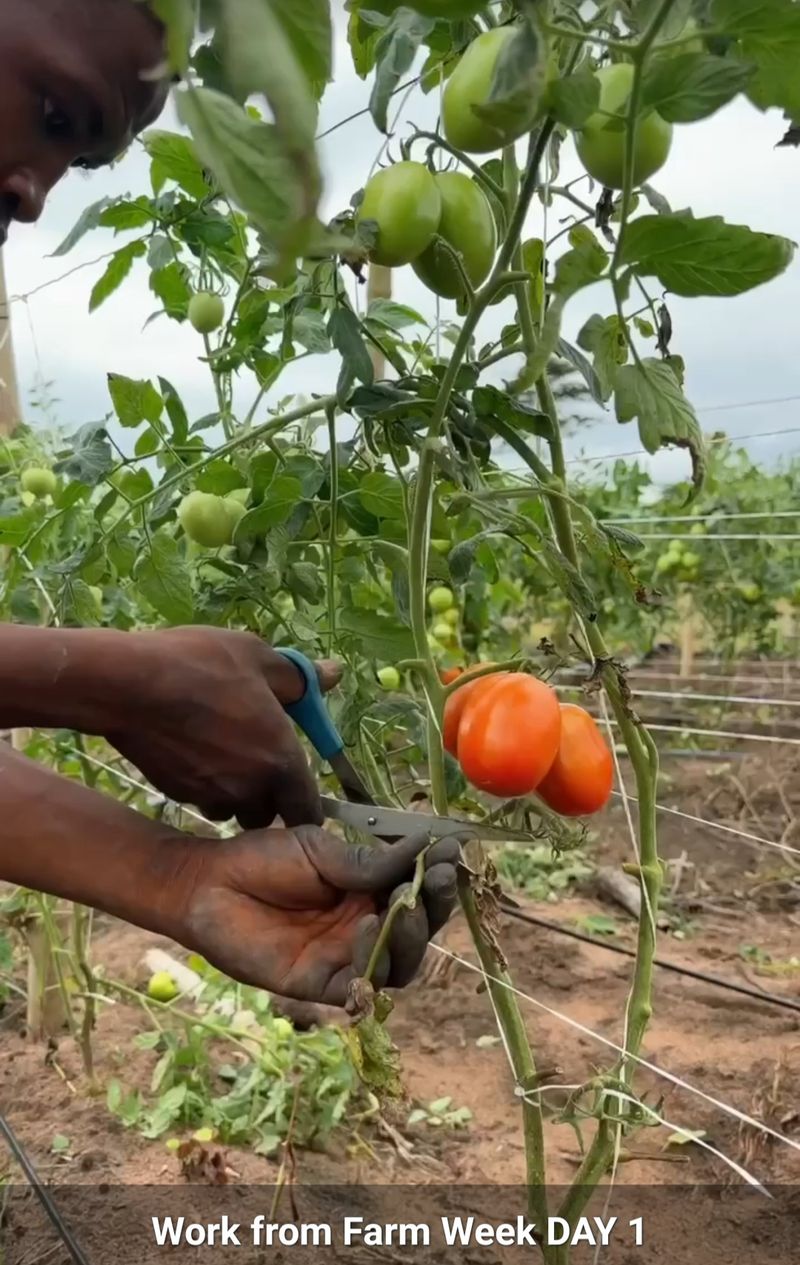
If you plant tomatoes somewhere heavily shaded, you may notice that the plants grow tall and weak while producing fewer flowers and fruits.
This is one reason your planting location matters so much.
Don't simply look for an empty piece of land and think, I can plant tomatoes here.
Look at how much sunlight the area receives throughout the day.
A productive tomato farm needs more than space.
It just needs the right environment.
Water is just as important
But there's a difference between keeping the soil moist and flooding the plant.
Too little water can stress the plant.
Too much water can create problems with the roots and increase the risk of certain diseases.
And inconsistent watering can also affect fruit development.
Imagine leaving the soil extremely dry for several days and then suddenly soaking it with a large amount of water.
That isn't the kind of consistency a productive tomato plant needs.
If you're growing tomatoes commercially, having a reliable irrigation system can make managing water much easier, especially when rainfall isn't dependable.
What about fertilizer?
More fertilizer does not automatically mean more tomatoes.
A tomato plant needs nutrients, but the plant needs the right nutrients in the right amounts at the right stage of growth.
For example, excessive nitrogen can encourage the plant to produce lots of leaves and stems without necessarily giving you the fruit production you expected.
That's why soil fertility matters.
If possible, understand what your soil needs before deciding what fertilizer to apply.
A flower doesn't automatically become a tomato
You might look at your tomato plant and see dozens of yellow flowers.
It looks like you're about to have a huge harvest.
You may be wrong.
In case you don't know. Those flowers still have to develop into fruits.
Tomatoes are generally self-pollinating, but successful pollination and fruit set can be affected by environmental conditions.
Like extreme temperatures and other stresses can interfere with fruit development.
So don't count the flowers and assume that every one of them will become a tomato.
What matters is how many flowers successfully become healthy fruits and remain on the plant until harvest.
Diseases can reduce the number of tomatoes you harvest
Pests aren't the only problem.
Tomatoes can also be affected by fungal, bacterial, and viral diseases.
And disease doesn't only affect the appearance of the plant.
A serious infection can reduce growth, damage leaves, affect flowers, and ultimately reduce the number and quality of fruits you harvest.
This is why good farm management matters.
As you can see, there's proper spacing, good airflow, healthy planting material, appropriate irrigation and regular monitoring.
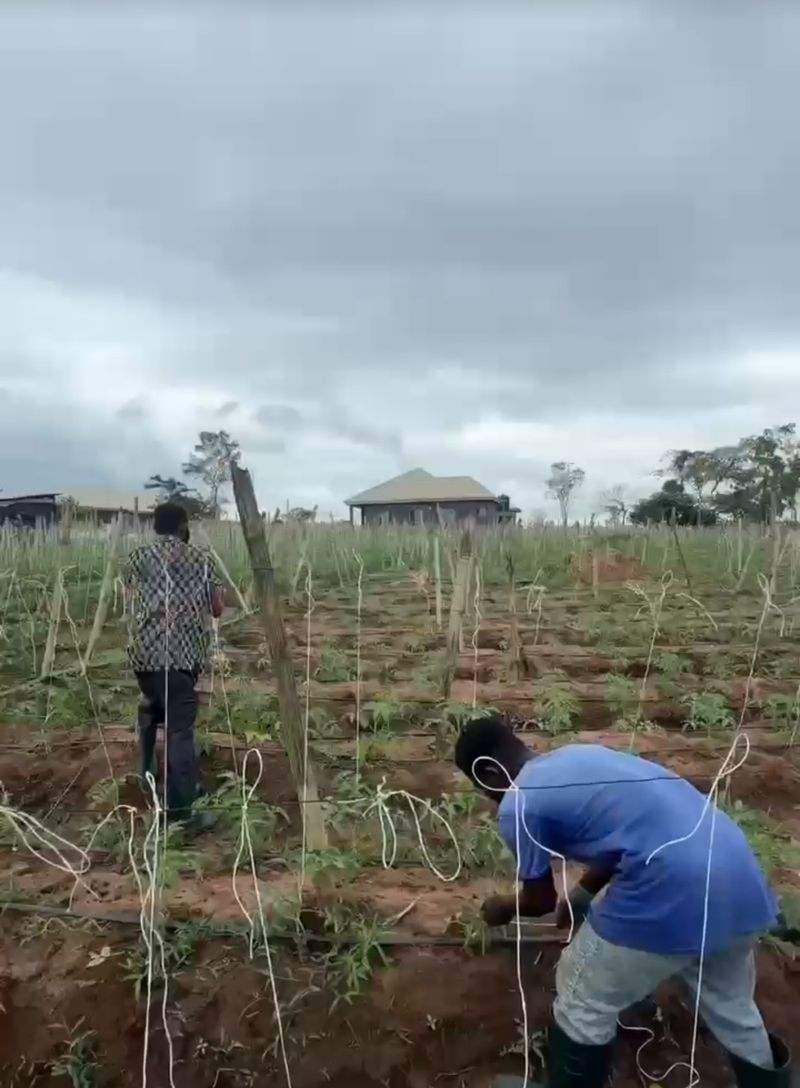
This can all form part of a broader disease-management strategy.
You don't want to spend weeks growing a plant only to lose much of its potential harvest because a problem wasn't noticed early enough.
That's why you should give your tomato plants enough space...
When you put too many plants too close together, they have to compete for sunlight, water and nutrients.
The plants can also become difficult to manage because there isn't enough room to move around them.
Plus, poor airflow between crowded plants can also increase the conditions that favour some diseases.
The correct spacing depends on the variety and how you're growing the tomatoes, so follow the recommendations for the particular seed you're using.
The goal isn't to squeeze as many plants as possible into a small piece of land.
The goal is to get the best possible production from the plants you actually have.