
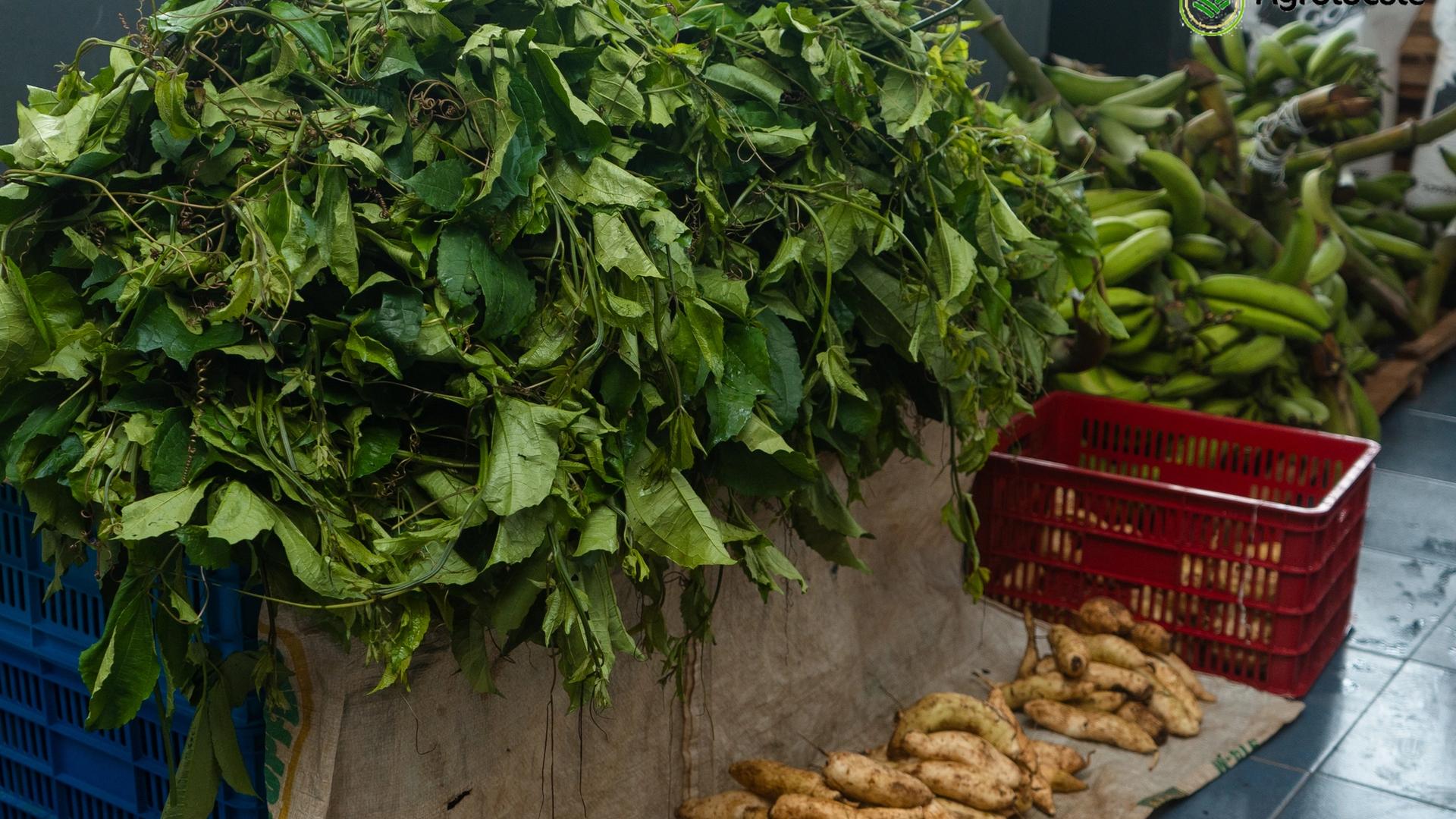
How To Plant And Preserve Sweet Potatoes As A Beginner
When you are planting this crop as a beginner, it's important that you know how to plant them so they can produce good-sized potatoes...
The reason is that you don't want your sweet potatoes to go bad before you have the chance to enjoy them.
Right?
What we like about them is that once the vines begin to spread, you don't have to do much beyond giving them the care they need and allowing them time to grow...
In case you missed it: https://agrolocale.com/blog/sweet-potatoes-2
Where You Choose to Grow Your Sweet Potatoes matters
Sweet potatoes needs to receives plenty of sunlight...
If you plant them where trees or buildings block the sun for most of the day, the plants may not perform as well as they should.
You will probably notice the vines spreading across the ground as they grow.
They can look healthy and fill up a large part of your farm, but don't judge the success of your crop by the amount of green leaves you see...
This is also why we recommend that you avoid planting sweet potatoes in heavy soil that becomes hard and compacted.
The reason is that developing roots need room to expand, and digging them out becomes much more difficult when the ground is hard.
For example, if you are working with clay soil, you don't necessarily have to abandon the idea.
You can improve the soil with well-rotted organic matter and make raised ridges to help excess water drain away.
In areas where heavy rainfall is common, raised ridges are particularly useful because sweet potatoes do not perform well when the soil remains waterlogged...
However, you don't need to make the ridges unnecessarily high or complicated.
You just need to prepare the ground so the roots have loose soil to grow into and rainwater can drain away without sitting around the plants.
Get the Right Planting Materials
One mistake people make is assuming they should plant sweet potatoes in the same way they plant ordinary potatoes.
You see, sweet potatoes are different...
This crop usually grown from vine cuttings or slips rather than by burying the edible roots you buy from the market.
You may have seen sweet potatoes left in a warm place until they begin producing shoots.
Those shoots can sometimes be used to produce planting materials, but for a beginner, getting healthy vines from a reliable source is often the easier option.
When choosing your planting materials, look for healthy green vines without obvious signs of disease, severe wilting or insect damage.
You don't want to start with weak planting materials and then spend the next few weeks wondering why some plants are growing while others are struggling...
It is also worth asking about the variety you are buying.
Some varieties mature earlier than others, and the size, colour and shape of the roots can differ considerably.
Think about what you want from your crop.
Are you growing sweet potatoes for your household, or do you hope to sell them at the market?
If you intend to sell them, it makes sense to choose a variety that buyers in your area already want.
There is little point in growing a variety that performs well on your farm but is difficult to sell in your local market.
We suggest you prepare the Soil Before Planting
You might be tempted to cut a few vines, push them into the ground and leave the plants to grow...
The thing is, sweet potatoes are fairly adaptable, but preparing the soil properly gives them a better chance of producing good roots.
You may loosen the soil so the developing roots can expand without meeting too much resistance.
If the ground is compacted, take time to break it up before planting.
This is also a good time to work in some well-rotted compost or manure if the soil needs improvement.
Organic matter can help improve soil structure and water retention, particularly where the soil is poor.
However, be careful about applying too much nitrogen-rich fertiliser.
I know it can be tempting to give your plants plenty of fertiliser when you want them to grow quickly, but sweet potatoes don't need an excessive amount of nitrogen.
Too much nitrogen can encourage the plants to produce plenty of leaves and long vines at the expense of root development.
You could end up with a farm that looks impressive but produces fewer or smaller sweet potatoes than expected.
If you have never tested your soil before, don't assume that adding more fertiliser will automatically solve every problem.
The right nutrient balance depends on what is already available in the soil.
Plant the Sweet Potato Vines Properly
When you receive your planting vines, check that they are still fresh and healthy.
If they have been sitting in the sun for too long and have become badly wilted, they may struggle to establish themselves.
We recommend you choose a planting day when the soil is moist but not soaking wet.
If the ground is extremely dry, watering it before planting can help the vines settle in.
And then you can make a small hole in the soil and place the cutting so that several nodes are covered with soil, leaving some leaves above the ground.
Nodes are the points along the vine where leaves and roots can develop.
This matters because the buried portions of the vine can produce roots, some of which will develop into the storage roots you eventually harvest.
We suggest that you avoid burying the entire cutting too deeply or leaving it lying loosely on top of the soil.
Since you want the planting material to make good contact with the soil while still having enough leaves exposed to support growth.
You need to also pay attention to your spacing.
As a general starting point, you can leave about 25–30 centimetres between plants and roughly 75–100 centimetres between ridges.
The best spacing will depend on the variety, how vigorously it grows and the conditions on your farm.
If you plant the vines too closely together, the plants may compete for sunlight, water and nutrients.
If you leave unnecessarily large gaps, you may not use your available land as efficiently.
Water the Plants Without Keeping the Soil Soaked
When your sweet potatoes are planted, the next job is making sure they receive enough water...
Because newly planted cuttings need moisture to establish their roots.
If the soil dries out completely during this period, some cuttings may wilt or fail to grow.
For the first few weeks, we encourage you pay attention to the soil, particularly during hot weather.
You can water when the soil is becoming dry, rather than following a rigid schedule that ignores the weather.
If rainfall is regular, you may not need to water very often.
During a dry spell, however, you may need to water more frequently, especially while the plants are still young.
As the vines become established, they can tolerate some dry conditions better than many other crops.
That doesn't mean you should leave them without water for long periods while the roots are developing.
In case you don't know, irregular moisture can affect growth, and severe drought can reduce the size and quality of your sweet potatoes.
At the same time, don't keep adding water simply because you want the plants to grow faster. If the soil is already wet, more water may do more harm than good.
The easiest way to judge is to check the soil itself.
If it is still moist below the surface, you may not need to water yet.
While you are checking the soil, take a few minutes to look at the plants and the weeds growing around them...
Know When to Harvest Your Sweet Potatoes
Sweet potatoes often take around three to five months to mature, although the exact time depends on the variety, weather and growing conditions.
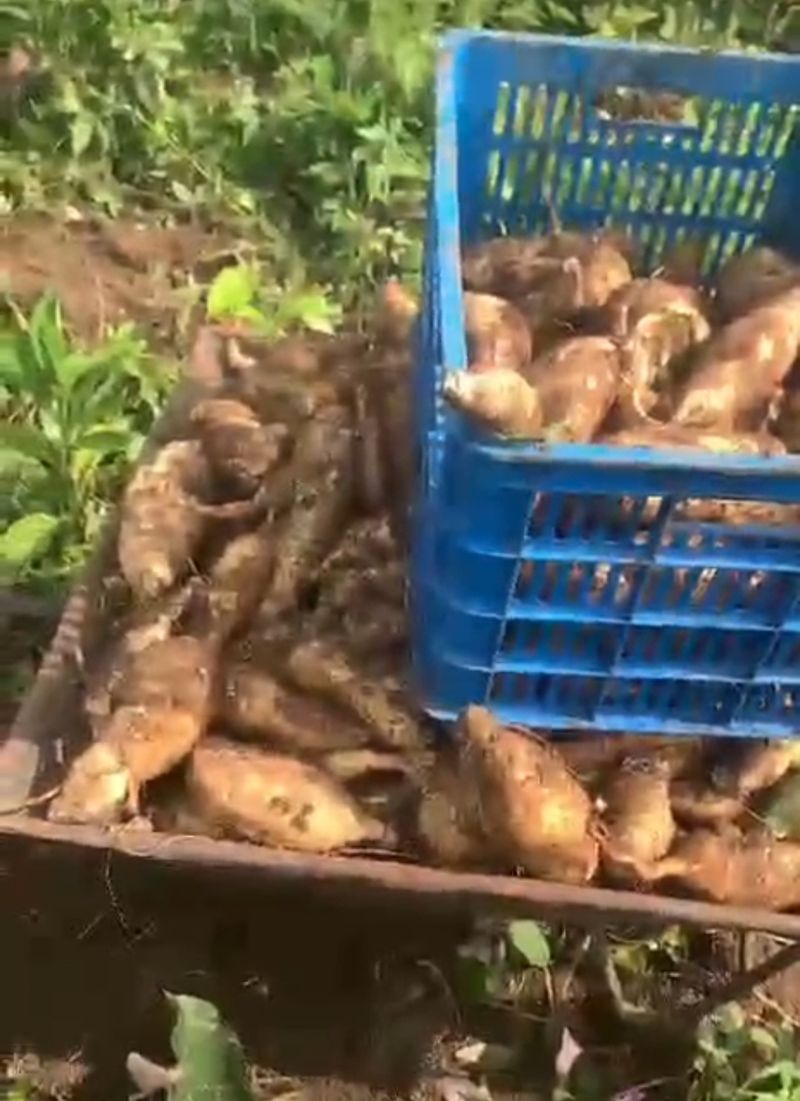
If you know the variety you planted, ask the supplier or farmer about its expected maturity period. This gives you a useful guide, but you should still pay attention to how the crop is developing.
As the plants mature, you may notice changes in the leaves and vines. Some leaves may begin to yellow, but don't rely on this sign alone because drought, nutrient problems and disease can also cause yellowing.
If you are unsure, you can carefully dig around one plant to check the size of the roots before harvesting the entire crop.
I understand the temptation to start digging as soon as you think the sweet potatoes are large enough.
After all, you have spent months watering, weeding and looking after the plants.
But harvesting too early may leave you with roots that have not reached their expected size.
And waiting too long can also create problems depending on the variety, soil moisture and pest pressure.
The goal is to harvest when the roots have reached a suitable size and maturity for your needs.
We suggest that you choose a time when the soil is not excessively wet.
But you should carefully loosen the soil around each plant and lift the roots without cutting or bruising them.
This part deserves patience.
Because sweet potatoes can look firm and healthy when you dig them up, but cuts, broken skin and bruises can make them more vulnerable to decay during storage.
Don't throw the roots into a basket or sack carelessly.
We encourage you handle them gently and place them in a container where they will not be crushed under their own weight.
And once they are out of the ground, resist the urge to wash everything immediately.