Is Tomato a Fruit or Vegetable? And How To Plant It
Every plant that flowers goes through the same basic process to reproduce....
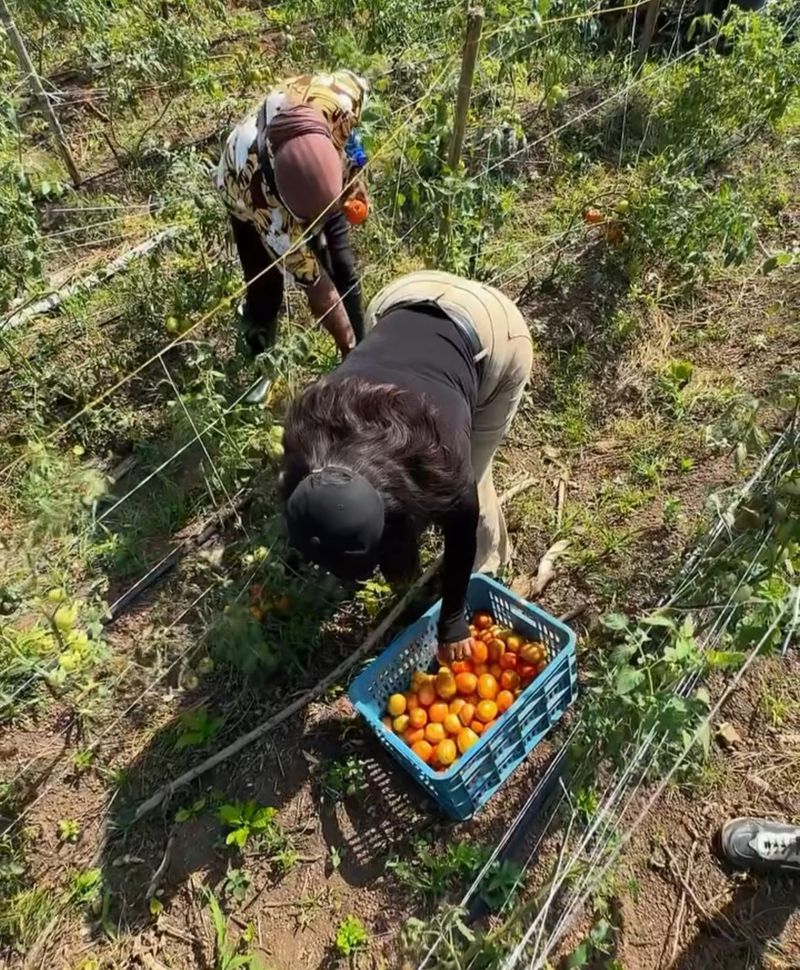
First of all, it grows a flower; that flower gets pollinated, and afterward, the part of the plant that held the seeds swells up and develops into something that protects and carries those seeds.
That swollen, seed-holding part is what we call a fruit...
Well, it doesn't matter if it tastes sweet or sour, if it grew out of a flower and it's carrying seeds inside it, people consider it a fruit.
In this case, a tomato checks every one of those boxes because it grows from a small yellow flower on the plant.
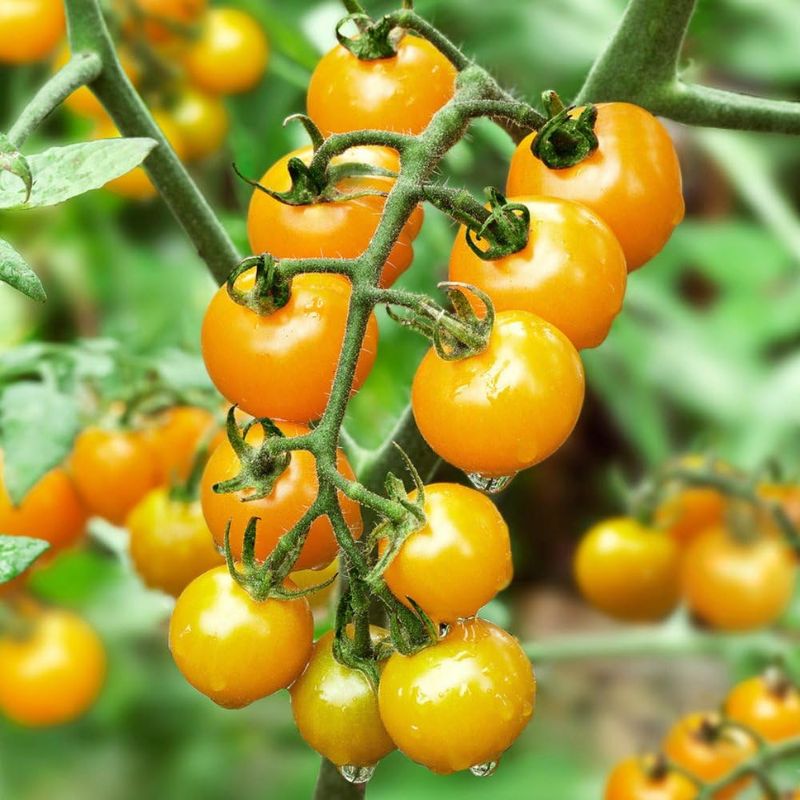
Once that flower is pollinated, it swells into the round, juicy tomato we know, and if you cut one open, you'll see rows of seeds sitting inside.
And once you see it this way, you start noticing that a lot of foods we casually call vegetables are actually the same thing.
So the tomato isn't some weird exception. It's just a very typical fruit that happens to not taste sweet...
Right?
By that logic, we can say a tomato behaves exactly like a vegetable.
In case you missed it: https://agrolocale.com/blog/Tomatoes
It's not sweet the way fruit usually is.

You will agree that nobody is slicing a tomato into a fruit salad. Instead, it gets cooked down into sauces
Right?
In terms of how we actually eat it and where it shows up on our plate, that's why it lives firmly in vegetable territory.
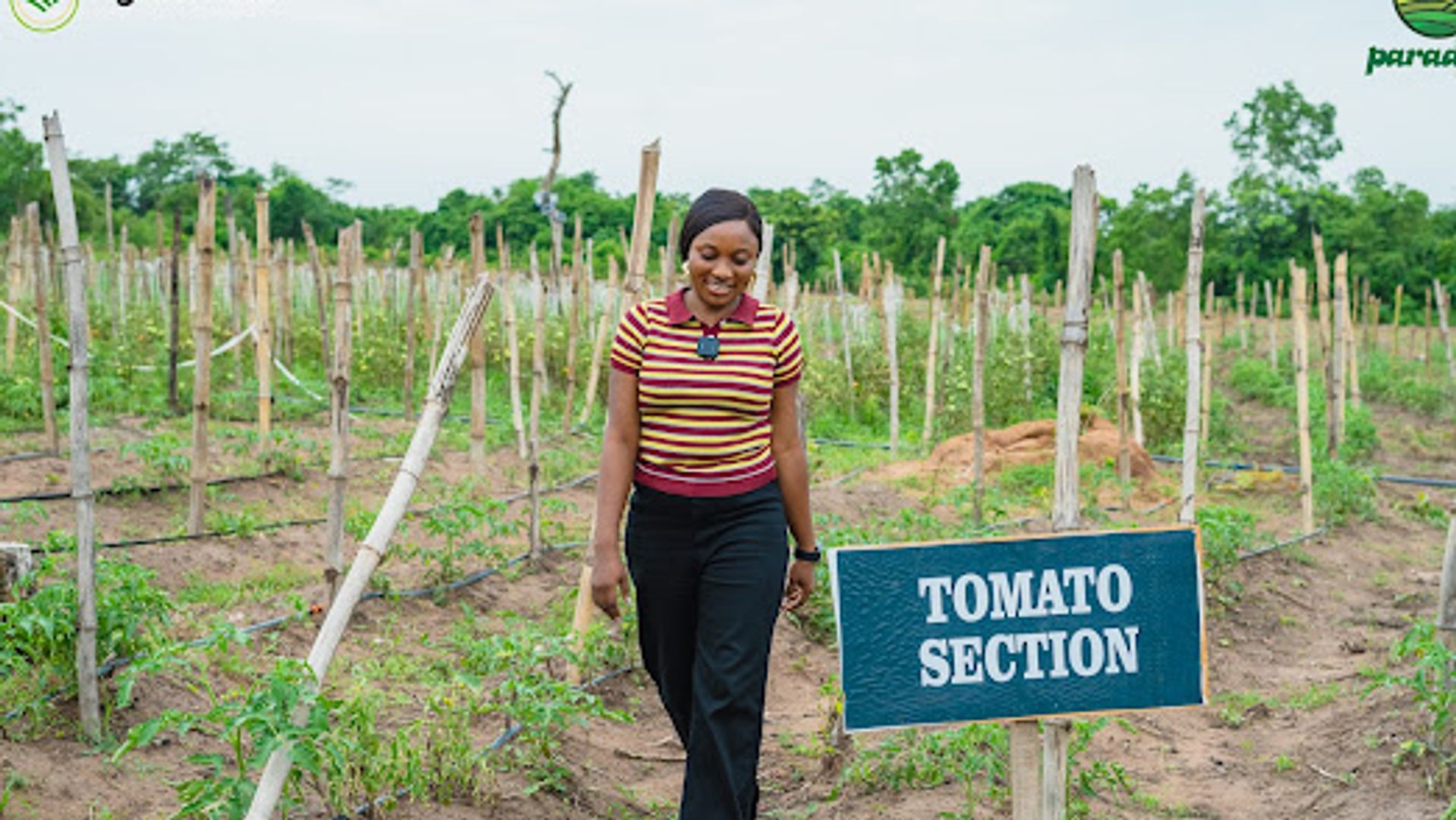
How can we plant a tomato
Decide what kind of tomato plant you want
Not all tomato plants grow the same way, and this matters more than people expect.
Some tomato plants grow to a certain height, produce a big batch of tomatoes over a few weeks, and then more or less over time.
These are great if you don't have a ton of space, because they stay compact and predictable.
While we have seen other tomato plants just keep growing taller and taller, and they keep producing new tomatoes continuously...
These give you a longer harvest season, but they take up more room and need something sturdy to grow up and lean on.
Find the sunniest spot you have
Tomatoes are obsessed with sunlight...
They want at least six to eight hours of direct sun every single day to grow well and produce a good amount of fruit.
So before you plant anything, walk around your space and figure out where the sun actually hits the longest, then choose the spot...

Also, don't rush the timing.
Tomatoes hate the cold, and planting them too early, while nights are still chilly, can stunt their growth right from the start...
Plant it deeper than feels right
When you plant your tomato, you actually want to bury a good portion of the stem, not just the roots, but up to two-thirds of the whole stem.
Right?
Well, you can just pinch off the lower leaves before you do this.
The reason this works is that tomato stems are capable of growing roots anywhere along their length if they're underground.
When you bury more of the stem, you're essentially giving the plant a head start on building a much bigger, stronger root system, which means it'll be better at pulling up water and nutrients later on.
Set up support right away
As your tomato plant grows and starts loading up with fruit, it's going to need something to lean on...
Whether it's a stake, a cage, or a trellis, depending on the type you're growing.
We advise that you set this up when you first plant it, not weeks later, because trying to add support after the roots are established risks damaging them.
Water with consistency, not randomness
Do you know that tomatoes really don't like extremes flooded water one day, bone dry the next day?
That kind of inconsistency is actually behind a lot of common tomato problems, like dark, sunken spots on the bottom of the fruit or skins that crack open.
Instead, you can water deeply once or twice a week rather than giving it a small splash every day.
The reason we think it's best this way is that the layer of mulch around the base helps keep the moisture level steady between waterings...
Feed it as it grows
Once you see your plant starts flowering, switch to something that supports fruit production rather than leaf growth.
Too much of the wrong nutrient just gives you a big, leafy plant with barely any tomatoes to show for it.
Trim it so often
As your tomato grows, you'll start noticing small extra shoots forming in the spot where a branch meets the main stem.
If you pinch a few of these off redirects the plant's energy toward producing tomatoes instead of just growing more greenery.
You don't need to be strict about it; you can just check in every week or two and remove a few if things look crowded.
Keep an eye out for trouble
Every now and then, you can always check under the leaves for pests, and try to avoid watering from above, since wet leaves sitting in the sun can invite fungal issues.
This isn't something you need to obsess over; you can just give a quick glance each time you're watering; that is usually enough to catch problems early...